Start with the experience
Decide whether your priority is walking weather, swimming, snow, festivals, wildlife, long daylight or quieter streets before comparing months.
The timing desk
Seasonal judgement for choosing travel dates through weather ranges, daylight, access, crowd patterns and the limits of any forecast.
13 published guides · independently editedEditorial method
The best time to travel is rarely one month printed in bold. Useful timing decisions compare the conditions you value with the trade-offs you can tolerate, then separate long-term climate patterns from short-term forecasts and live operating information.
A date decision combines several clocks. Climate describes broad patterns; a forecast estimates particular conditions; daylight changes what fits safely into a day; school and festival calendars affect demand; and transport, trails, permits or opening hours create an operating layer that may change independently of the weather. A useful guide keeps those clocks separate before bringing them together.
This desk does not declare one universal month for a destination. It begins with the experience a reader wants, identifies the conditions that could prevent it, and then compares date windows by consequence. The aim is not certainty. It is a plan that still works when temperature, rain, smoke, crowds or access sit near the less comfortable end of the plausible range.
Decide whether your priority is walking weather, swimming, snow, festivals, wildlife, long daylight or quieter streets before comparing months.
Climate describes patterns; weather describes particular days. Plan around plausible ranges and keep alternatives for heat, rain, smoke, wind or rapid mountain change.
Season affects transport, opening hours, permits and local routines. Treat old timetables and general guides as context, never as live confirmation.
Choose by decision
These four routes cover the decisions that usually need attention first. Each leads to a full-length guide and onward reading within RAAHCHAL.
Separate lower demand from guaranteed comfort and compare reduced services, variable weather and the value of greater flexibility.
Open this planning guideDistinguish regional rain patterns from live warnings, then design routes with safer alternatives, recovery time and realistic transfer buffers.
Open this planning guideShape Mediterranean summer days around exposure, shade, hydration, recovery and the needs of the most heat-sensitive traveller.
Open this planning guideLearn which choices can use seasonal patterns months ahead and which should wait for a shorter, more reliable forecast horizon.
Open this planning guideDecision framework
Use the questions as a first review, then open the detailed guides for the factors that carry the greatest consequence for your journey.
| Factor | Question to ask | Planning implication |
|---|---|---|
| Desired experience | What must be possible: walking, swimming, snow, a festival, wildlife, long evenings or quiet streets? | A useful date window begins with the experience, not a generic season label. |
| Comfort range | Which combinations of heat, cold, humidity, rain, wind or poor air are difficult for the group? | Plan for the least flexible traveller rather than the average preference. |
| Daylight | How much usable light does the route require, and how early could darkness affect return travel? | Short days can matter more than temperature for outdoor and mountain plans. |
| Access and services | Could transport, trails, ferries, permits or opening hours operate differently in this period? | Verify the operating layer near departure; climate history cannot confirm access. |
| Demand and local rhythm | Do holidays, school calendars, festivals or closures change crowding and everyday routines? | A quieter date may trade choice and frequency for space; a festival date needs more respectful planning. |
| Consequence of error | If the conditions are worse than expected, is the result discomfort, a lost day or a genuine safety problem? | The higher the consequence, the more conservative the threshold and the stronger the fallback plan should be. |
Most recently published
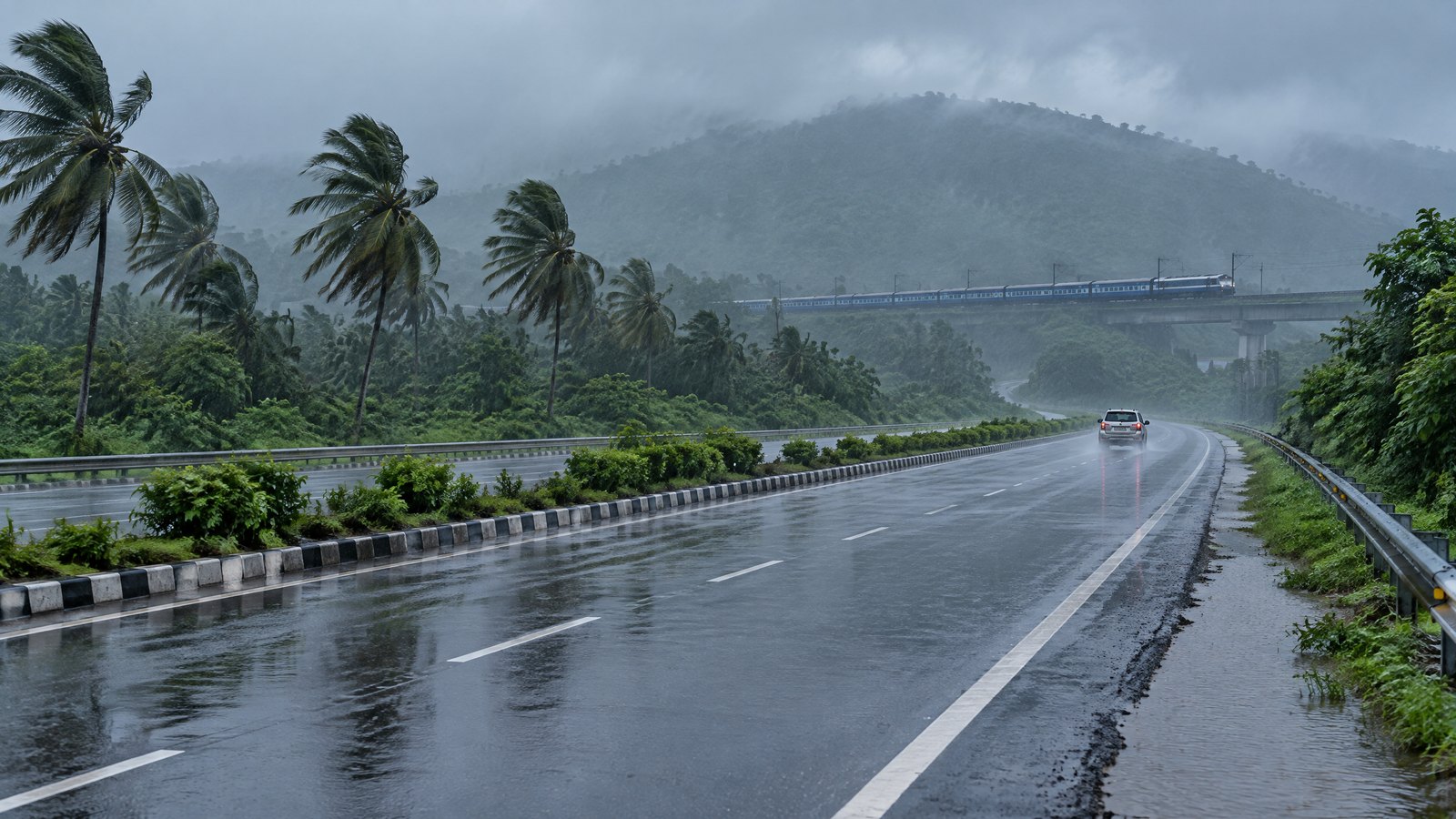
A time-stamped Gujarat travel update on IMD’s observed extreme rain in Tapi, the 13–14 September district forecast, coastal wind and sea advice, and the checks that should precede travel.
Complete library
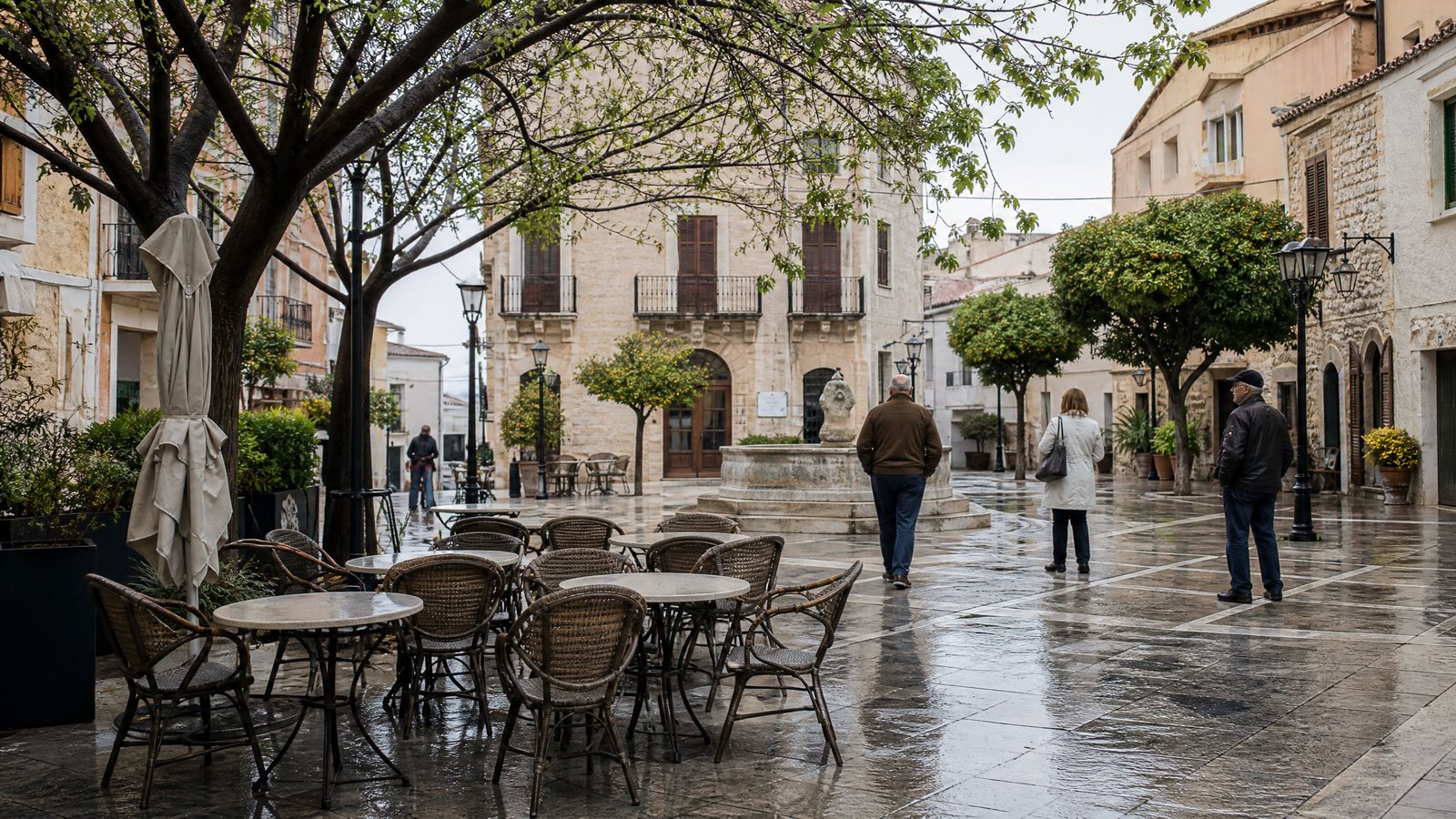
A practical framework for deciding whether a destination’s transition season suits your priorities, with clear checks for conditions, access, accessibility and local life.
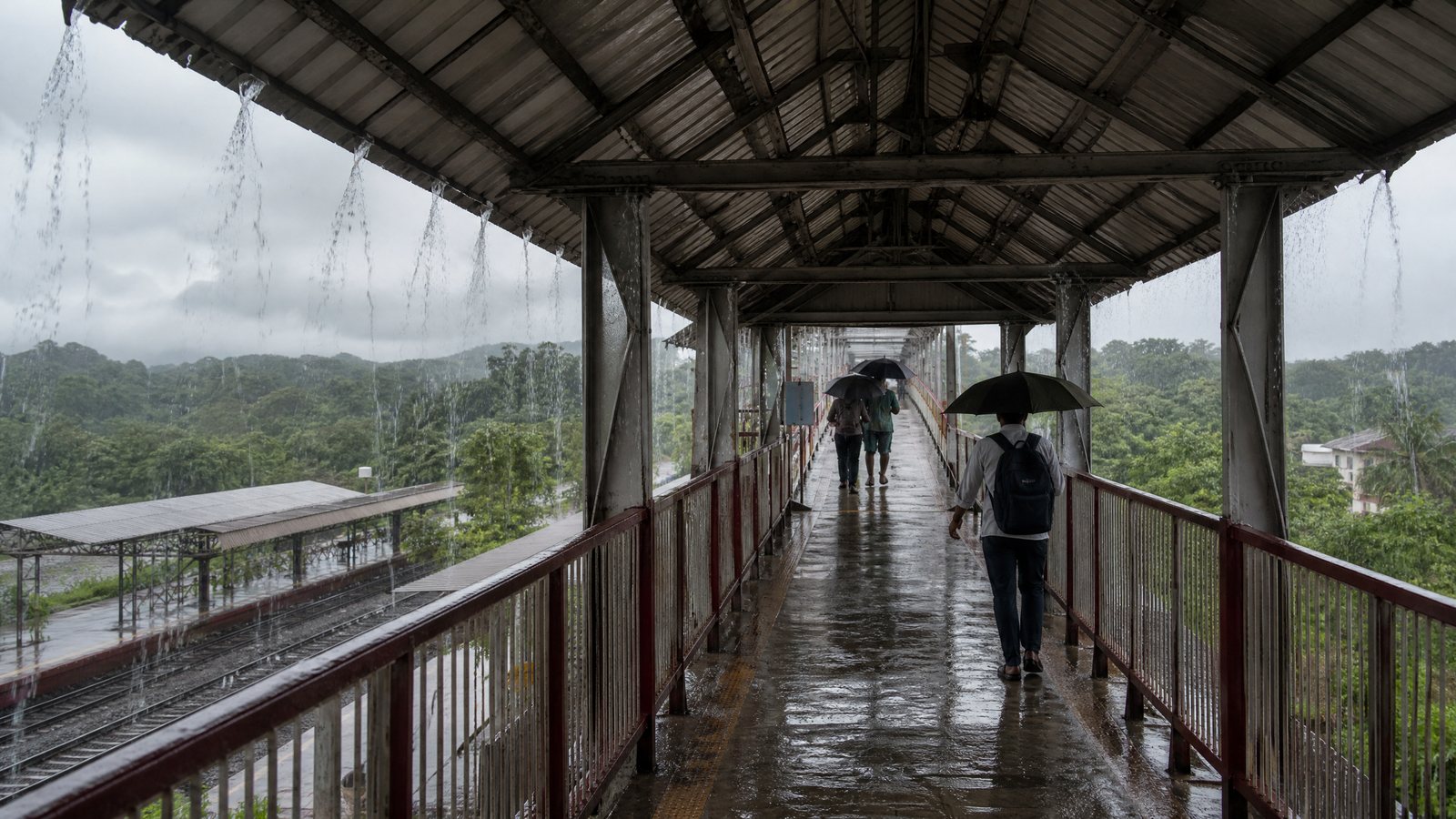
India’s monsoon is not one weather event or one national timetable. Use regional context, exposure-based decisions, time buffers and current official information to plan a flexible, respectful journey.
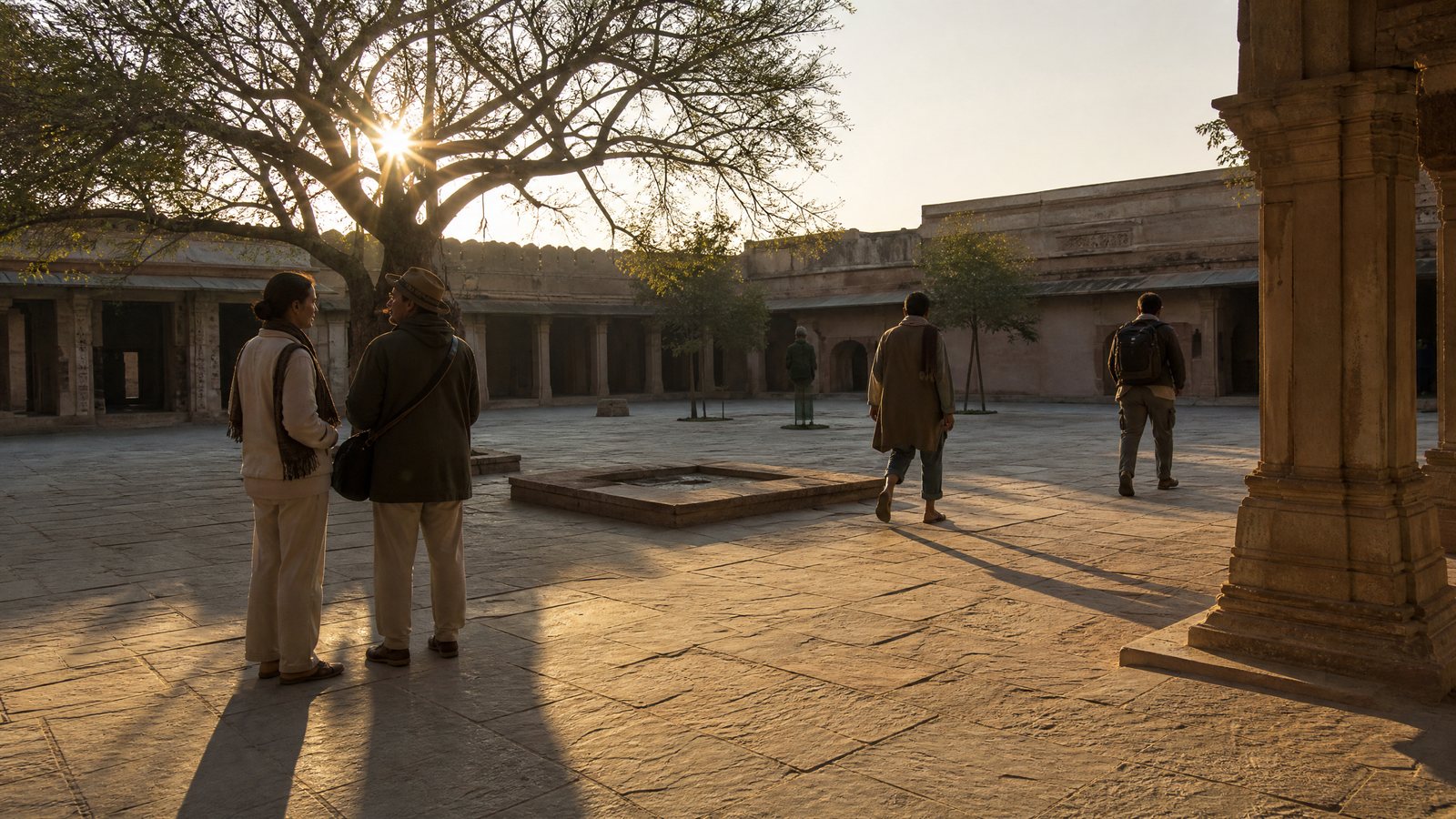
A region-by-region guide to winter travel in India: compare coasts, the dry interior, fog-prone plains and mountain areas, then build a route with realistic weather, access and comfort margins.
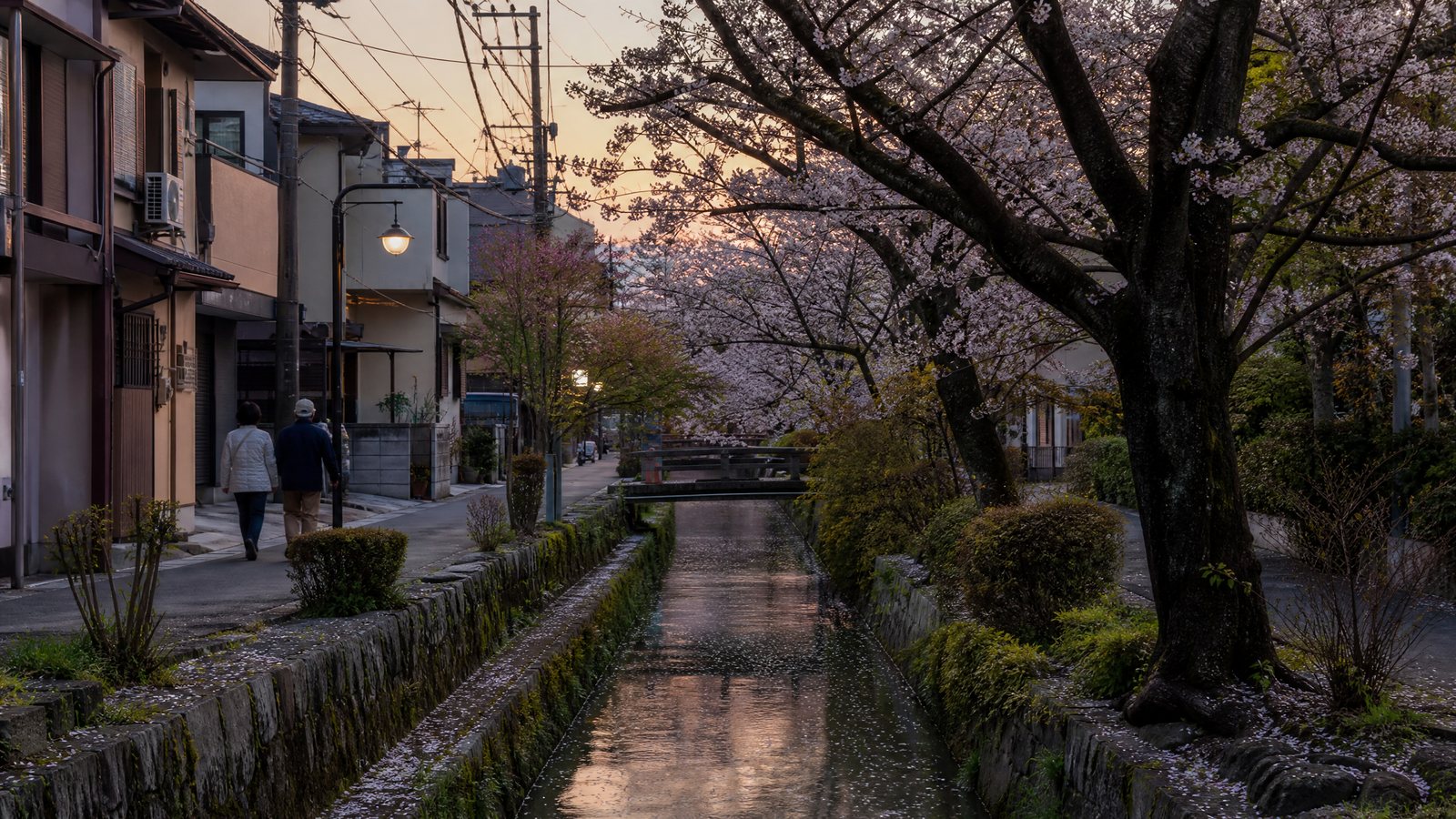
A calmer blossom trip begins with a flexible window, a base with several viable walks and a day-of choice shaped by observed blooms, access and comfort rather than a single famous view.
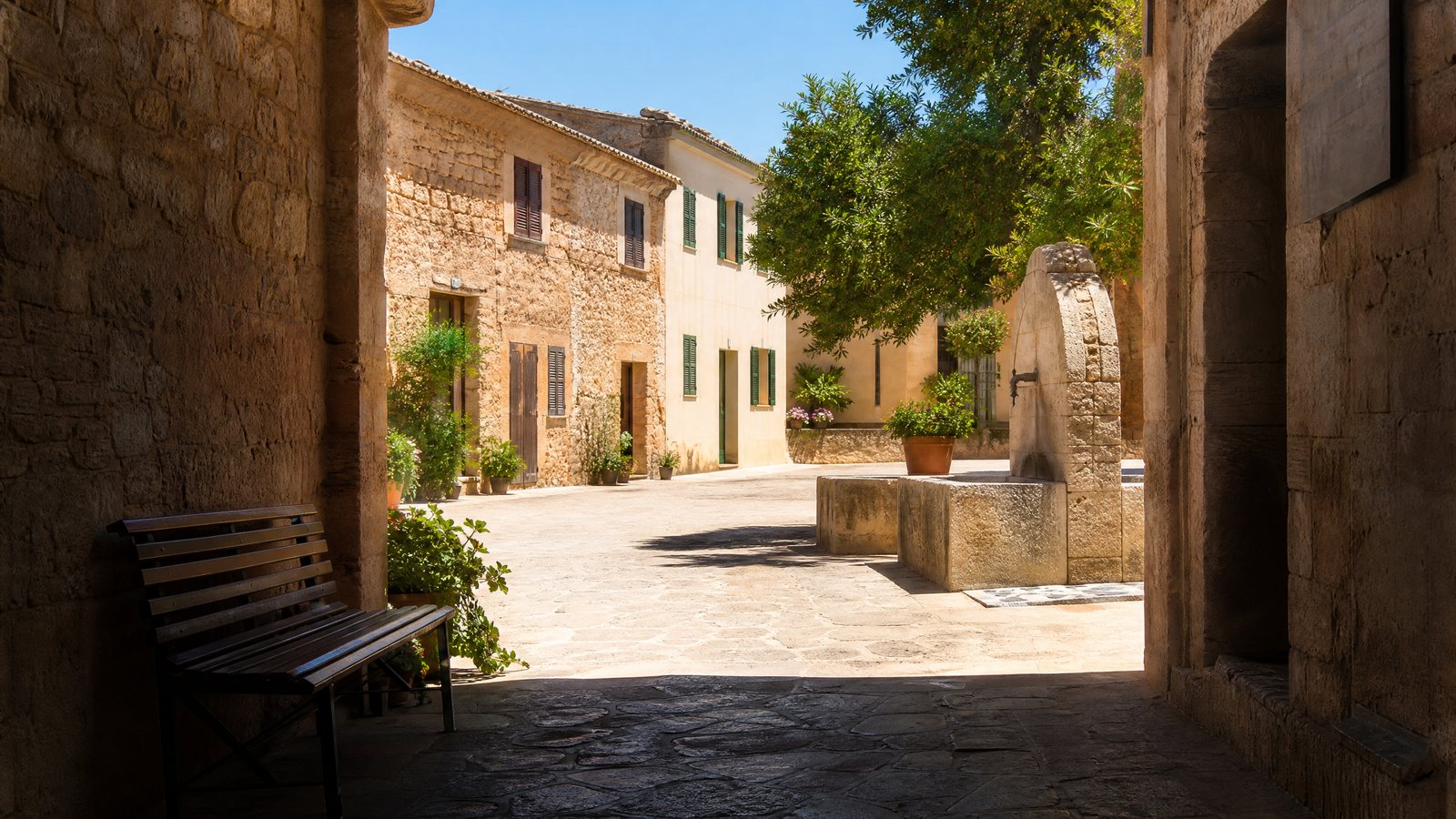
A practical, heat-aware framework for Mediterranean summer travel: use cooler outdoor windows, choose by exposure rather than prestige, and confirm warnings, access and transport through local official channels.
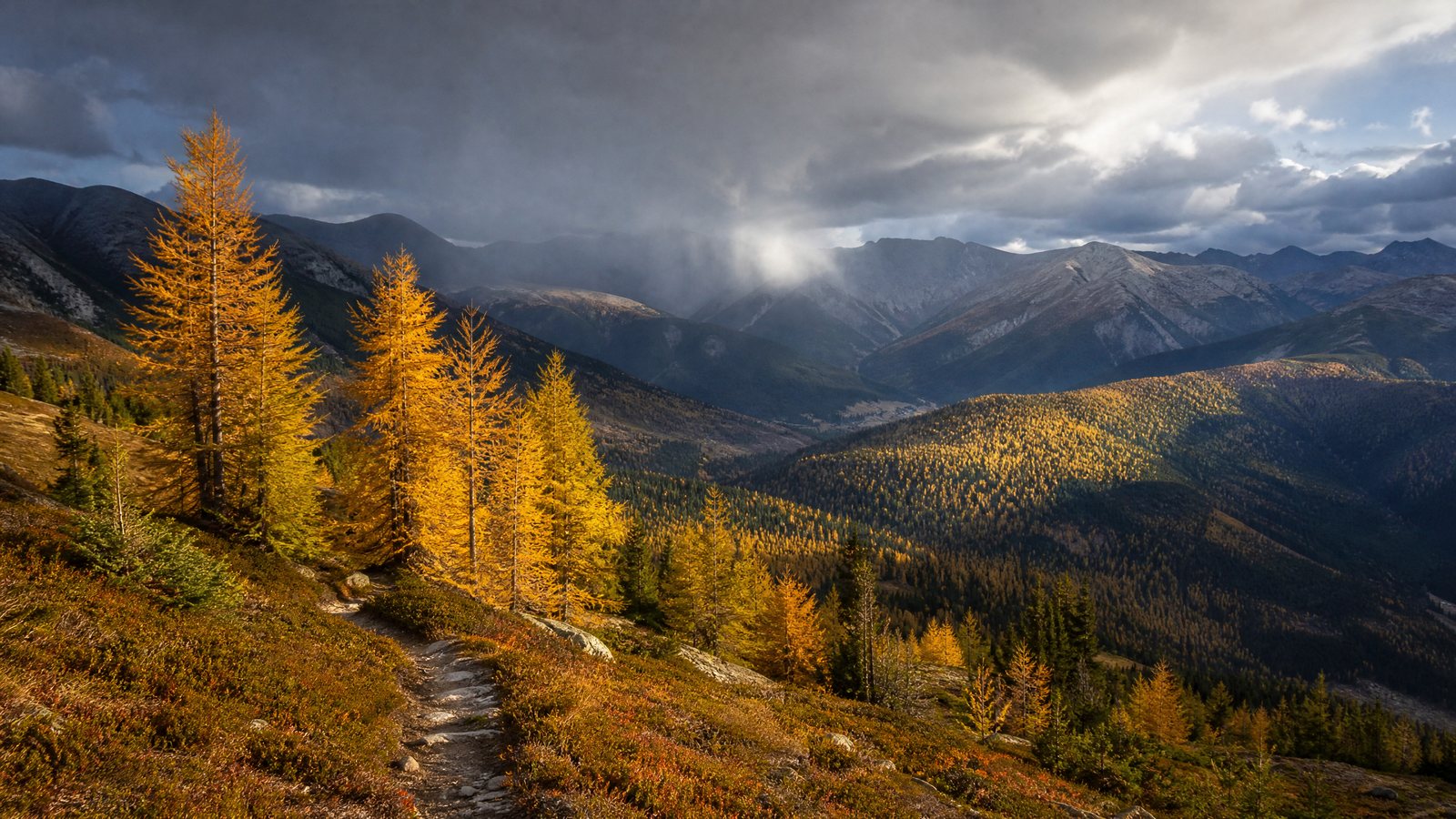
An evidence-led guide to planning an autumn mountain day around usable light, altitude-specific weather, trail status, cold exposure and a deliberate turnaround decision.
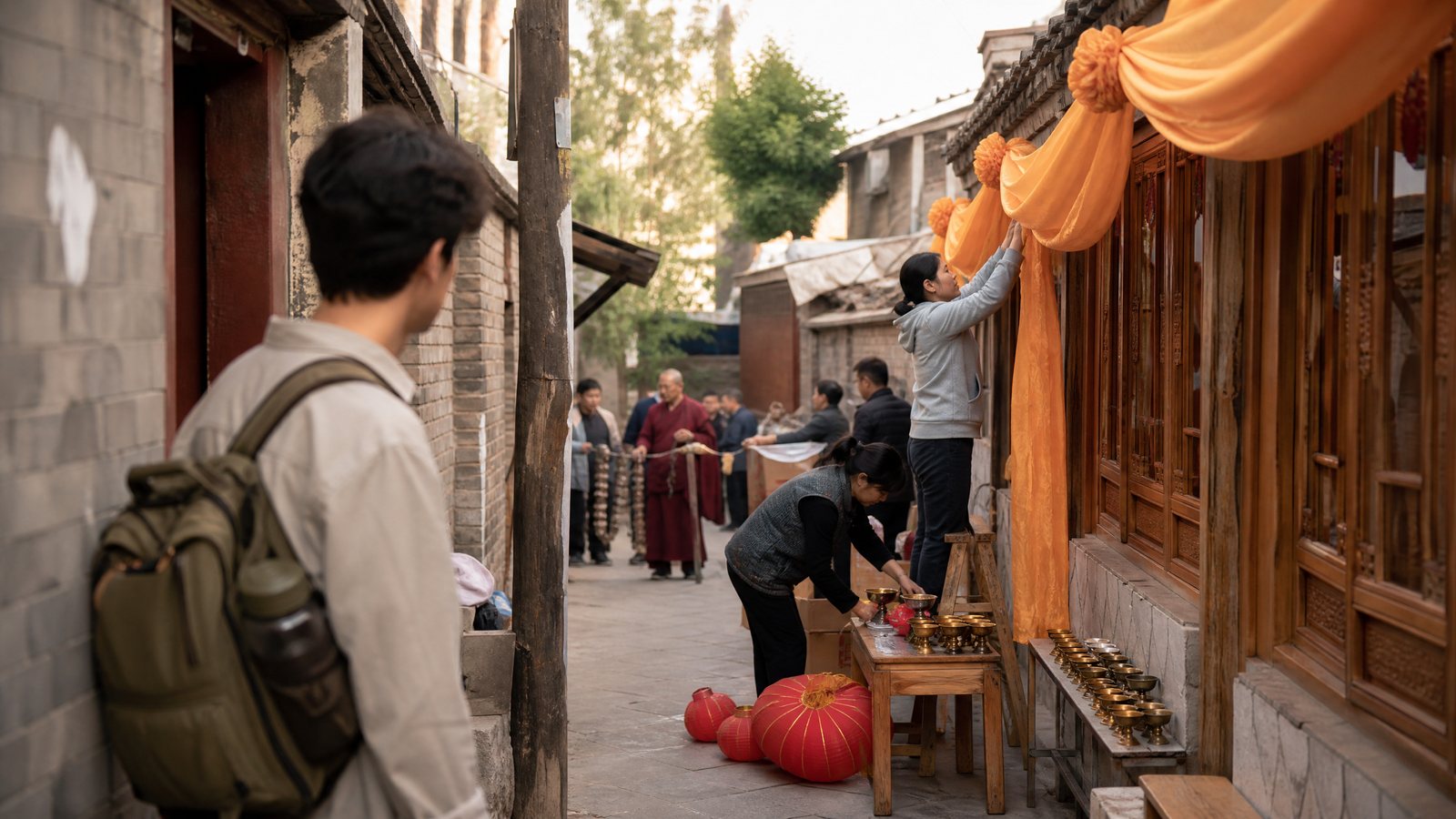
Festival travel is most respectful when visitors treat an occasion as a living community practice rather than a spectacle: learn its purpose, accept limits, reduce pressure on shared systems and make a graceful exit plan.
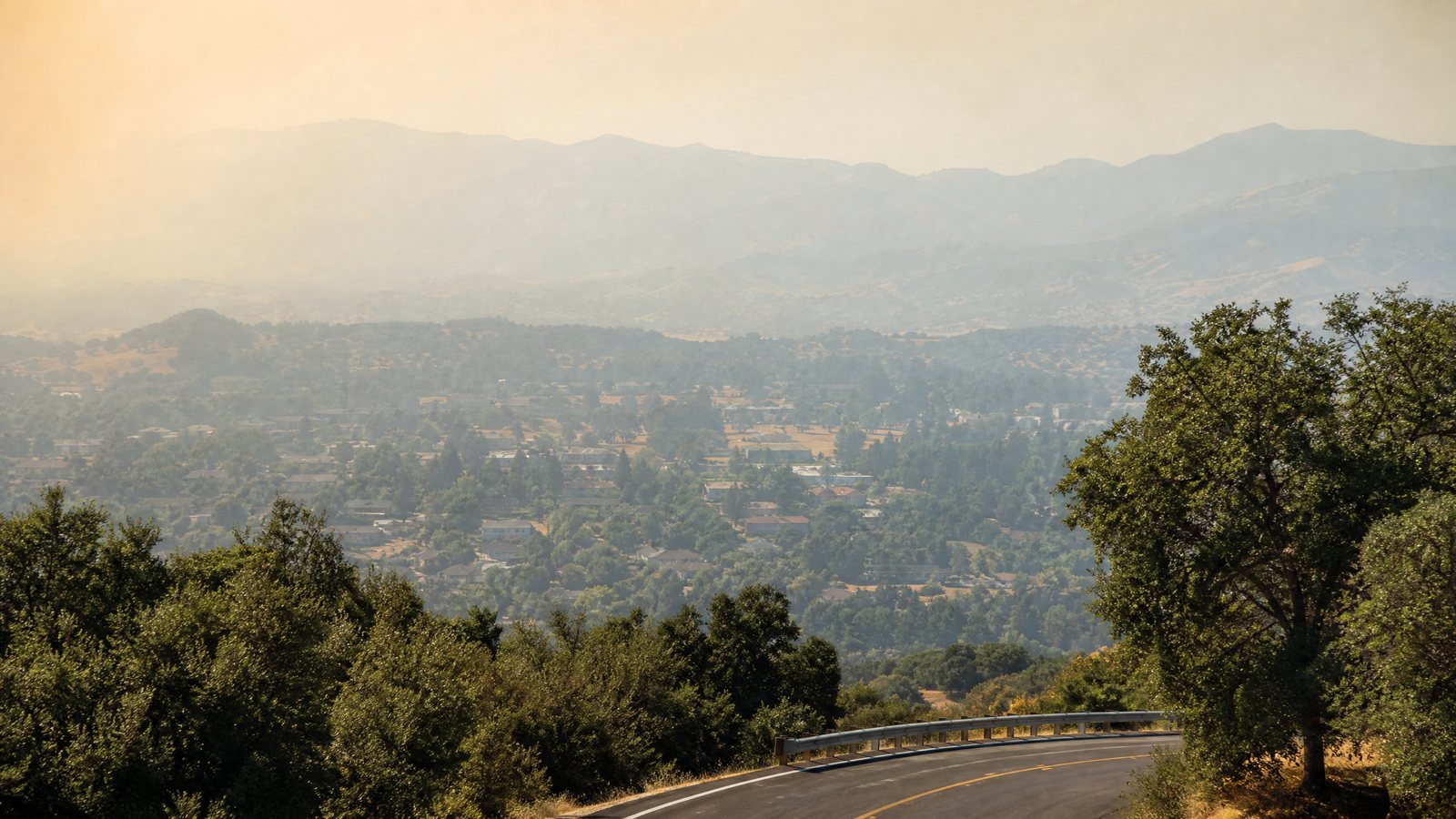
Learn how to separate evacuation authority, air-quality information, access conditions and personal limits when wildfire smoke disrupts travel plans.
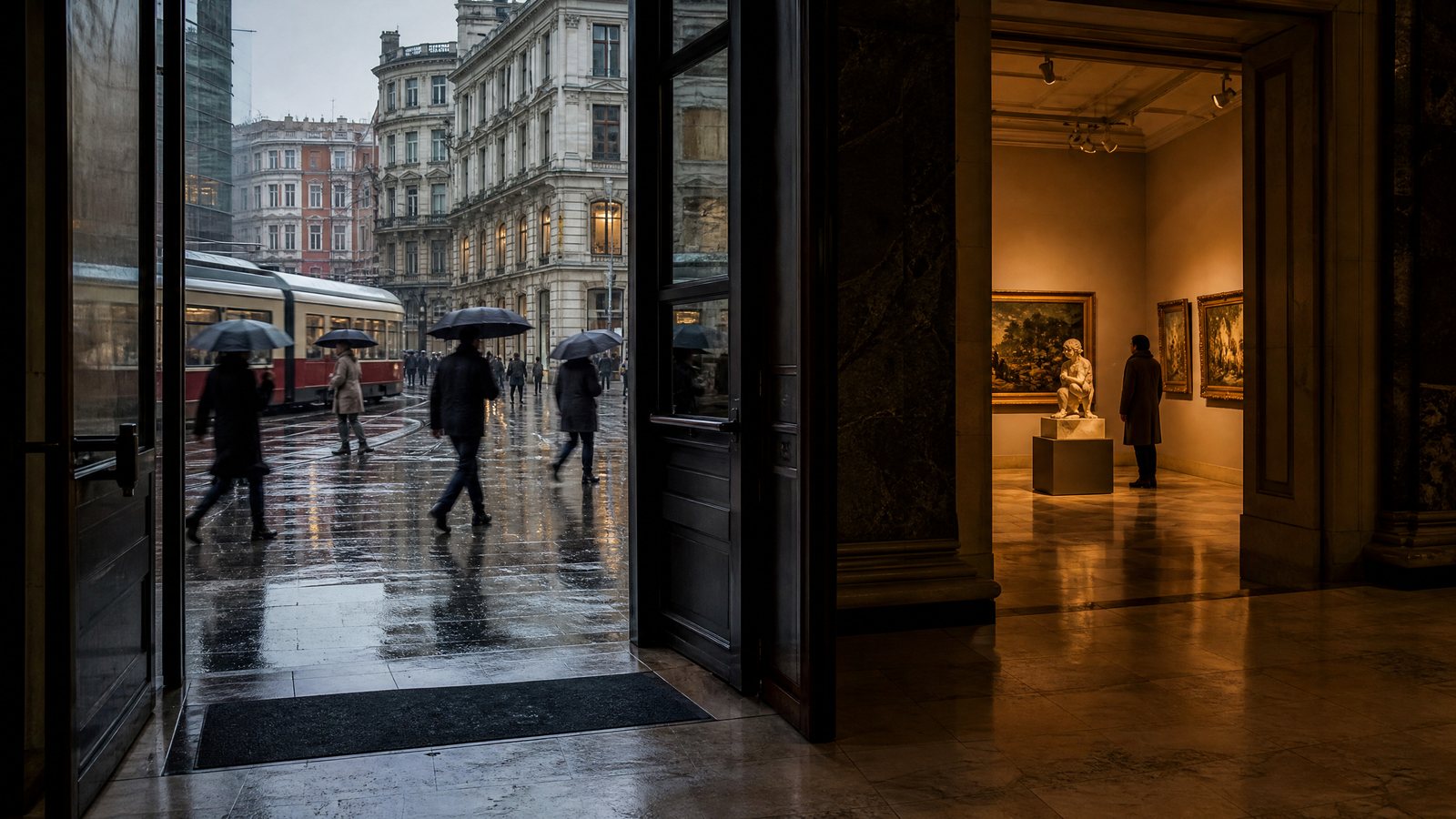
A practical framework for planning a city day in rain: judge weather by impact, keep the radius small, choose an indoor anchor, protect accessible options and confirm the details that change.

How far ahead should travellers trust the weather? Learn what climate normals, seasonal outlooks, daily forecasts, warnings and on-the-ground conditions can—and cannot—tell you at each planning stage.
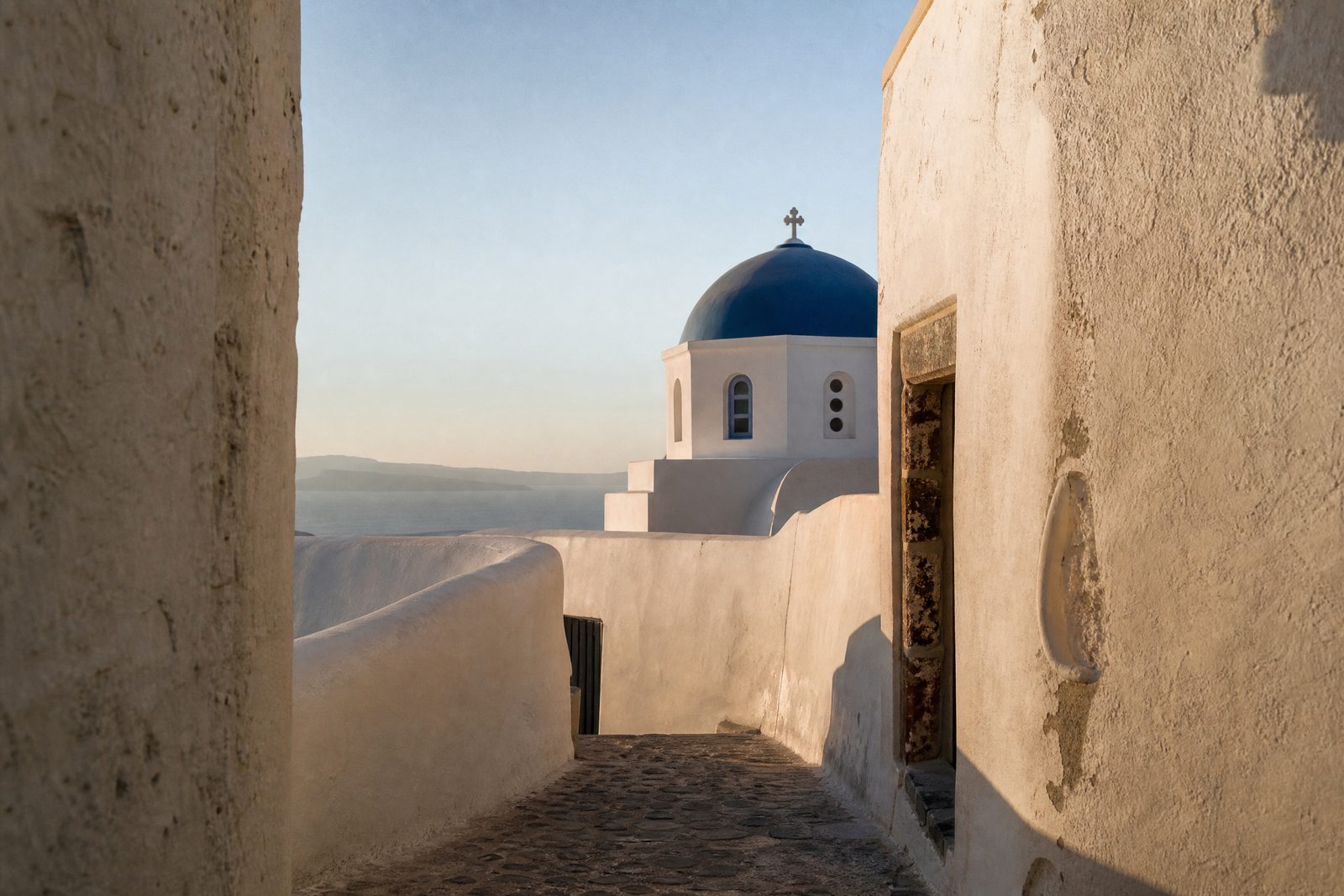
A crowd-aware Santorini guide focused on walking, local buses and quieter hours.
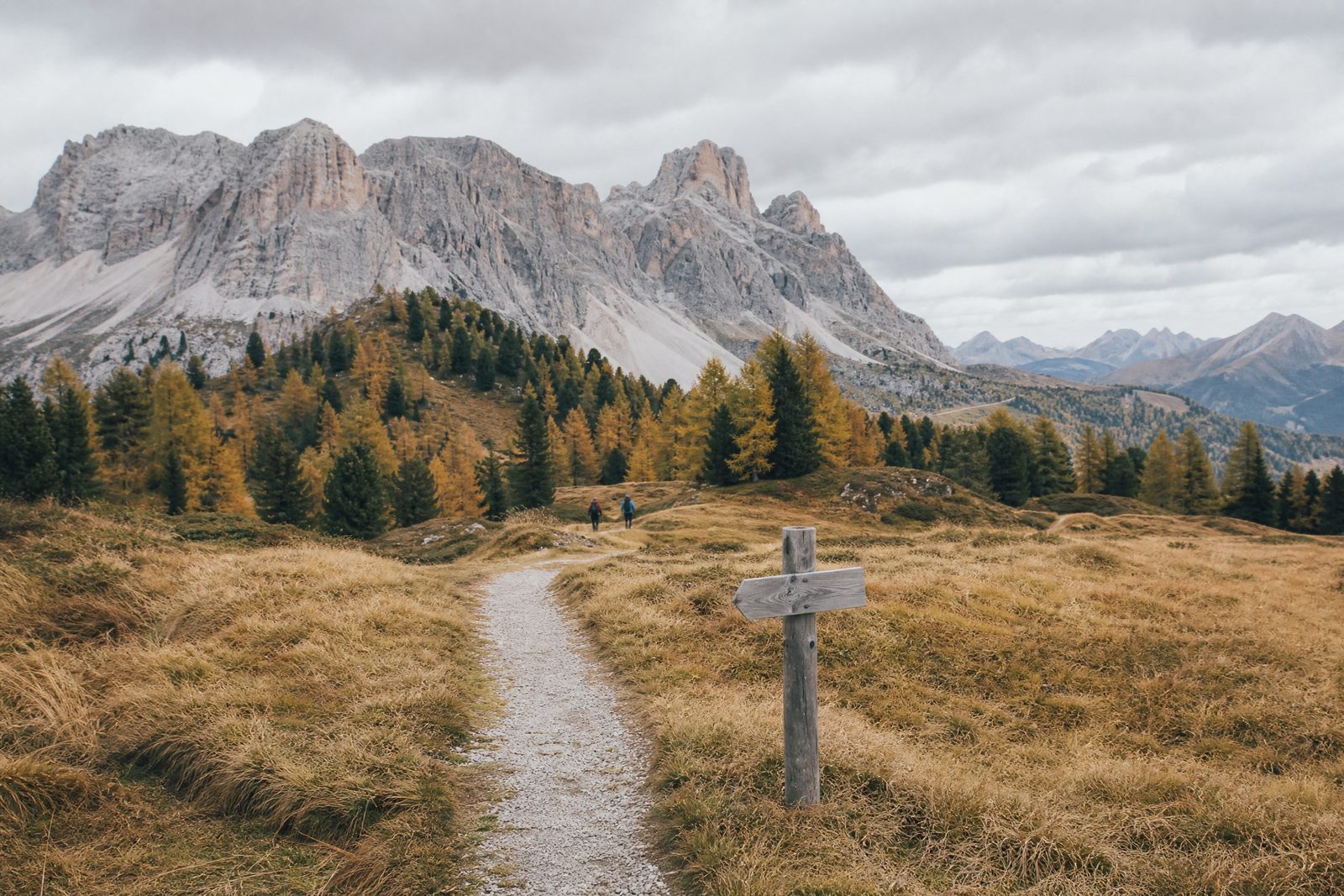
Plan a quieter Dolomites stay without changing hotels every night.
A practical sequence
State what the journey must support and what would make it unsuccessful. This prevents averages from deciding for you.
Use long-term patterns to compare broad windows, including temperature, rain, daylight and known demand cycles.
List transport, access, closures, permits and local calendar effects that need confirmation closer to travel.
Design an indoor, lower-exposure or geographically simpler alternative before a difficult forecast creates pressure.
As departure approaches, replace general assumptions with current local conditions and relevant official instructions.
Reader questions
It is the transition between the busiest and quietest periods. It can bring lighter demand and more local rhythm, but also reduced services and less predictable conditions.
Seasonal patterns are useful months ahead; detailed daily forecasts become more useful much closer to departure. Confidence depends on place, terrain and weather system.
Not by itself. Consider duration, confidence, official warnings, route flexibility and the consequences of being wrong. Safety instructions from relevant authorities take priority.
No. Drier conditions may coincide with greater heat, demand, smoke risk, low water, shorter service windows or a landscape that feels very different from another season.
Use the comfort and recovery needs of the most sensitive traveller as the planning threshold. Heat, cold, air quality, altitude, rain and long daylight can affect people differently.