Stay with one place
Use a compact base, return to the same streets and let ordinary routines become part of the journey rather than background scenery.
The pace desk
A practical library for travelling with fewer transitions, deeper neighbourhood knowledge and enough time to change your mind.
11 published guides · independently editedEditorial method
Slow travel is not a trip length or a luxury category. It is a way of organising time: choose fewer bases, reduce repeated transit, protect rest, and leave enough margin to notice how a place works beyond its headline sights.
The useful question is not whether a journey looks slow from the outside. It is whether the plan gives the traveller enough attention, physical capacity and local context to make sound decisions. Two people can spend the same number of nights in a city and have very different journeys: one may cross the map for a checklist, while the other builds days around one neighbourhood, a repeated route and a small number of deliberate excursions.
This desk treats pace as a planning system. It examines the hidden work of transfers, the value of an ordinary morning, the relationship between rest and judgement, and the responsibilities that come with staying longer in residential places. The guides do not prescribe one ideal rhythm. They help readers choose a rhythm that fits mobility, care duties, budget, energy and the character of the destination.
Use a compact base, return to the same streets and let ordinary routines become part of the journey rather than background scenery.
Compare journeys by total door-to-door effort, reliability, comfort and context—not speed alone—and keep a buffer for disruption.
Treat residential space, markets, sacred places and daily work as shared environments. Consent and restraint matter more than collecting images.
Choose by decision
These four routes cover the decisions that usually need attention first. Each leads to a full-length guide and onward reading within RAAHCHAL.
Use the beginner framework to decide what to remove, where to keep margin and how to recognise a plan that asks too much of each day.
Open this planning guideShape a week around orientation, focused exploration, ordinary routines, one optional excursion and protected recovery time.
Open this planning guideCompare rail and short flights through door-to-door time, transfer effort, reliability, accessibility and the value of the journey itself.
Open this planning guideLearn when to place recovery time, how to keep it genuinely low-demand and why unused capacity improves the days around it.
Open this planning guideDecision framework
Use the questions as a first review, then open the detailed guides for the factors that carry the greatest consequence for your journey.
| Factor | Question to ask | Planning implication |
|---|---|---|
| Number of bases | How many times must the traveller pack, check out, transfer and reorient? | Removing one base can return more usable time than trimming small activities from every day. |
| Neighbourhood fit | Can daily needs, quiet time and a useful transport connection be reached without repeated cross-city travel? | A well-chosen base reduces friction and makes repeated observation possible. |
| Daily load | How much standing, walking, navigation, heat, noise and decision-making sits inside the same day? | Count cognitive and sensory effort alongside distance and opening hours. |
| Recovery margin | What happens if sleep is poor, a child needs downtime, weather changes or a transfer runs late? | Unallocated time is resilience, not a planning failure. |
| Local relationship | Does the plan treat homes, markets, religious spaces and working streets as shared environments? | Longer stays require better habits around privacy, noise, waste and photography. |
Most recently published
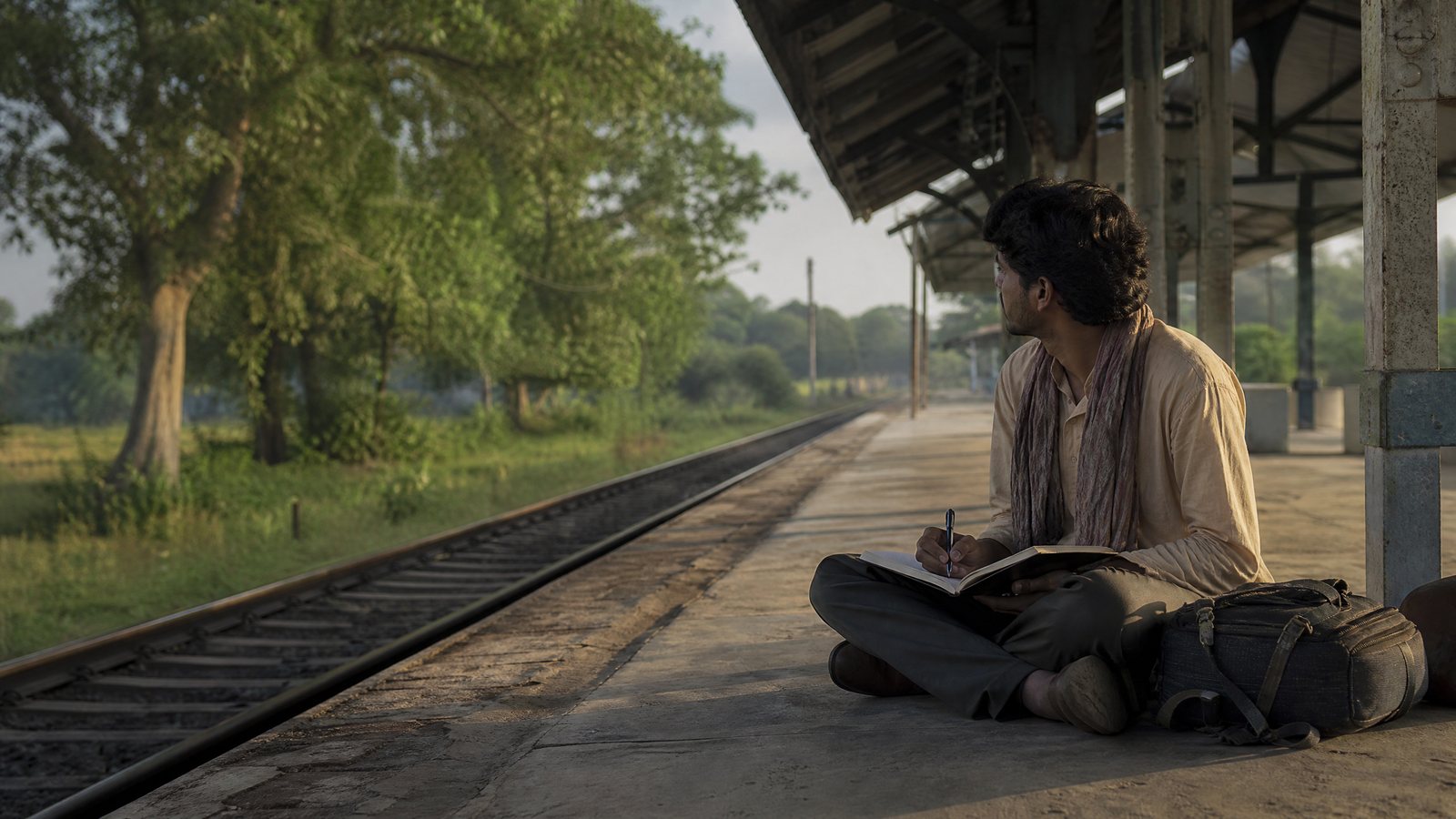
Slow travel is a way to organise attention, not a rule about distance or transport. Learn how to choose one base, test day trips, use buffers and make responsible adjustments.
Complete library
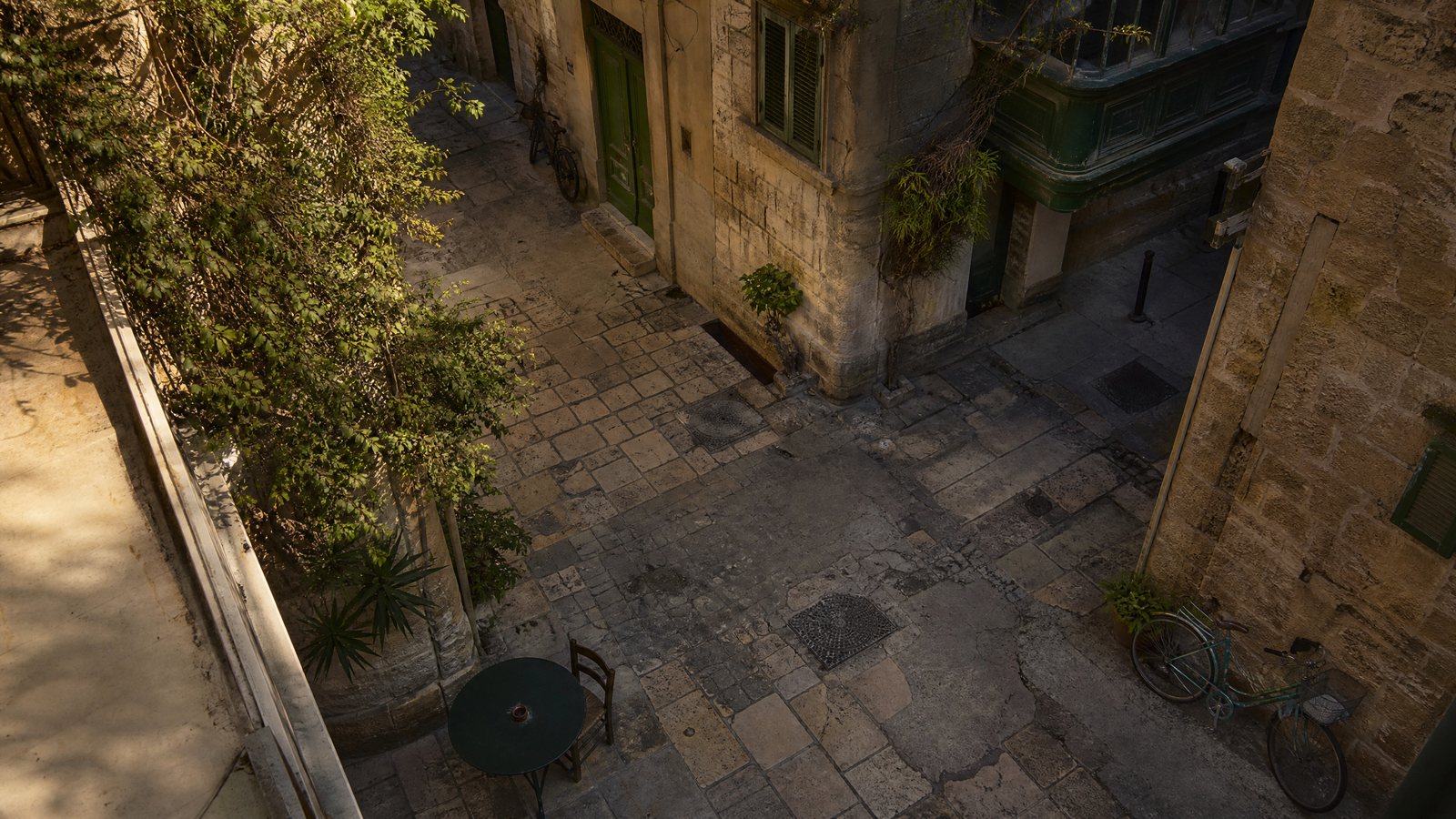
A seven-day city framework for travellers who want a familiar rhythm rather than an attraction sprint: choose a workable base, protect rest, test first impressions and keep current conditions in view.
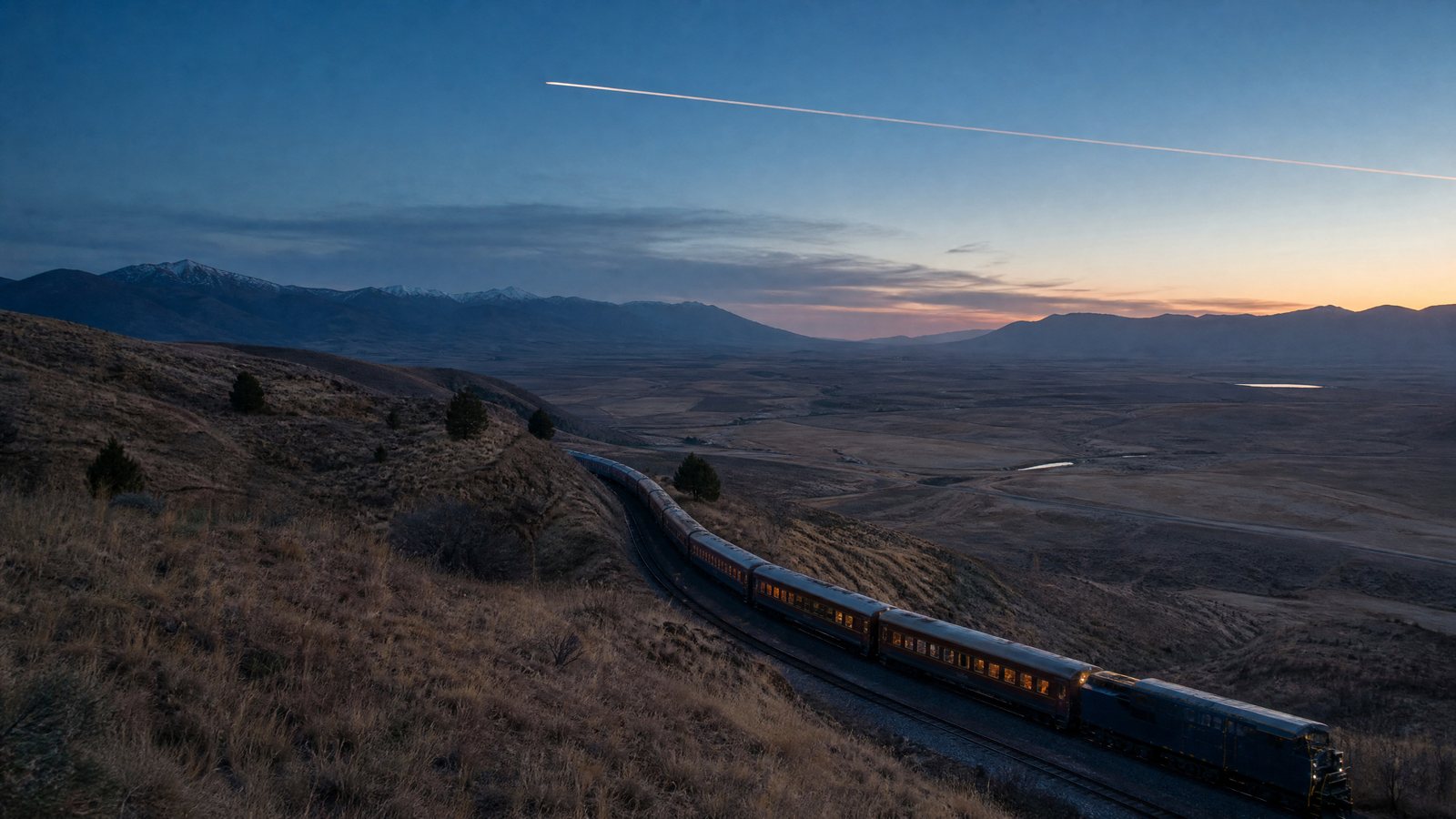
Rail can make movement part of a place-based trip, while a short flight can protect a time-sensitive plan. Use a practical framework to compare the full journey, access, connection risk, emissions context and current conditions.
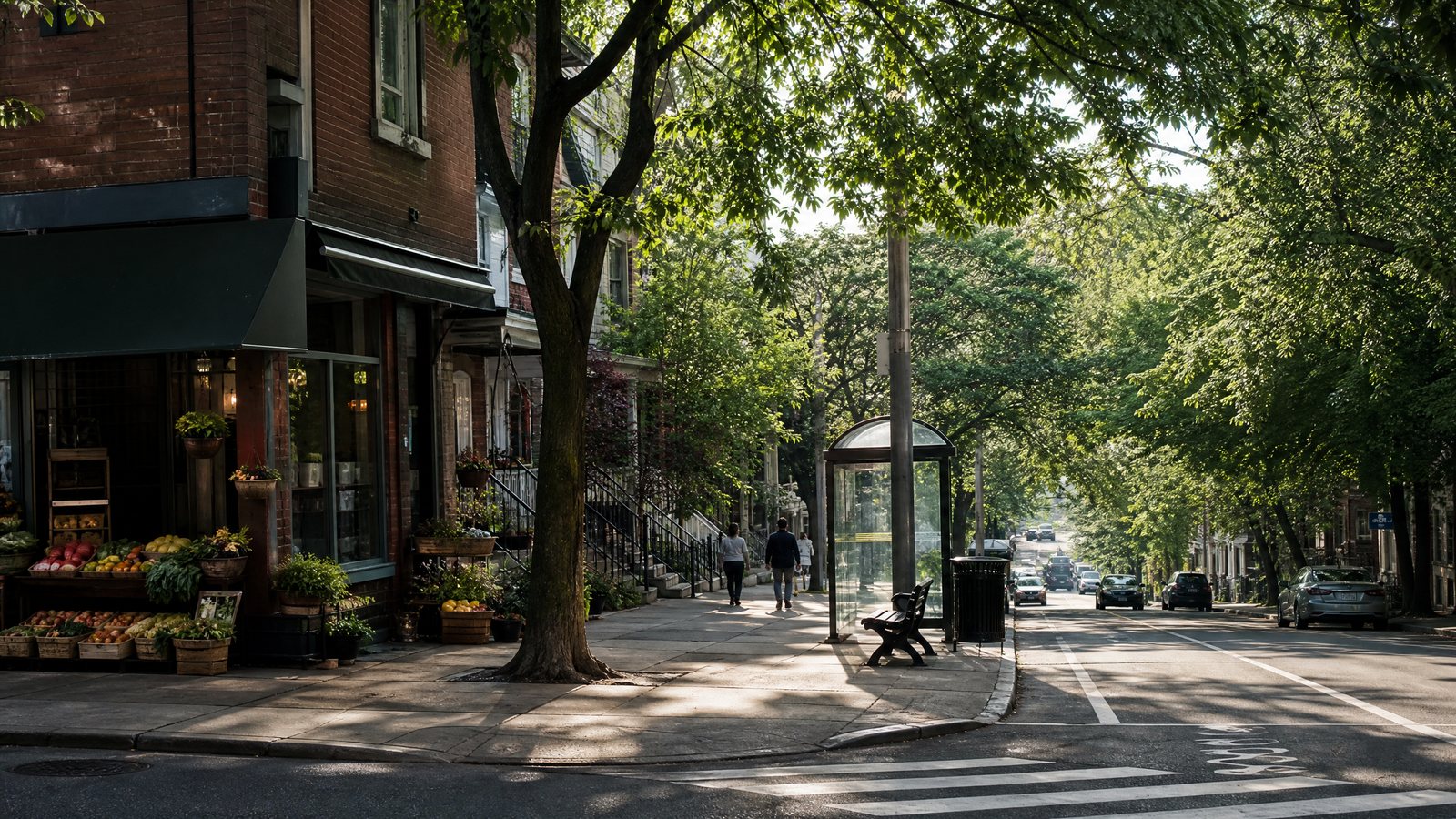
A traveller-specific framework for judging whether a neighbourhood supports easy days on foot, including errands, slopes, crossings, transit, weather exposure and local rhythm.
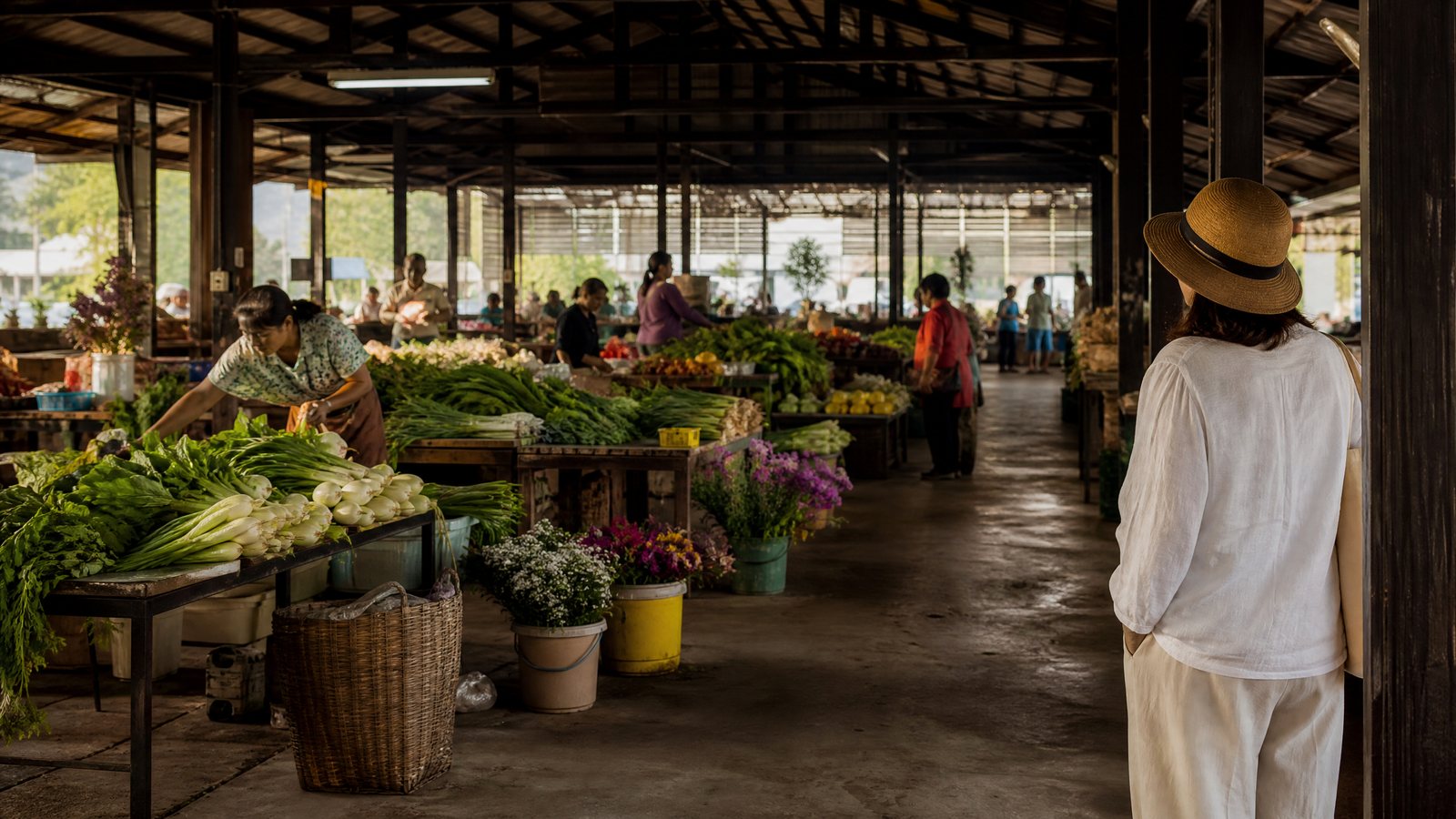
A practical slow-travel guide to approaching markets as working places: choose a suitable time, observe flow, buy with care, ask meaningful consent, manage food and access needs, and confirm changing local conditions.
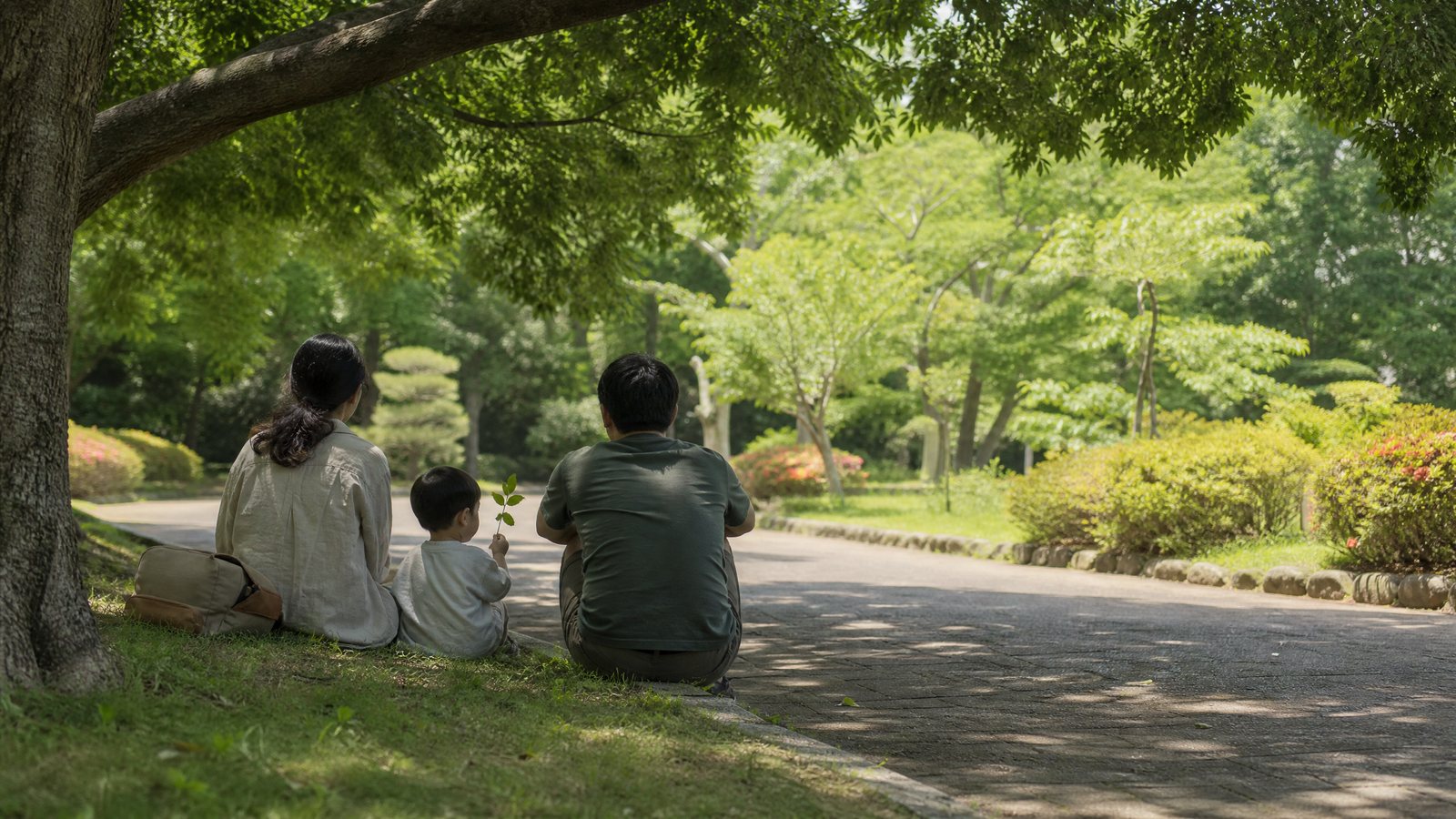
Slow travel with children is not an empty itinerary. It is a way to reduce repeated transitions, build dependable routines, and leave enough margin for meals, rest, weather and changing needs.
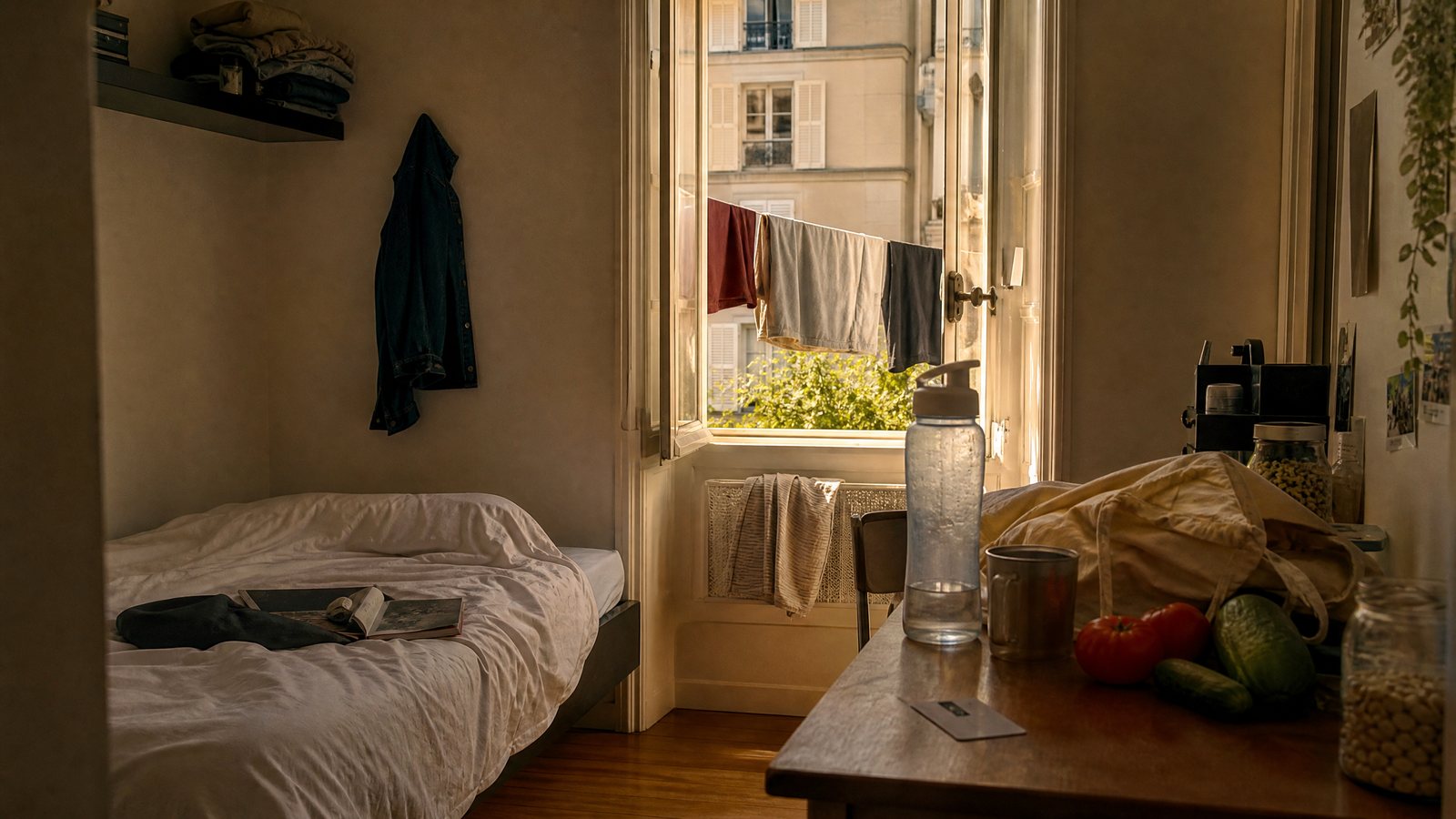
Build a slower trip around the full cost of moving, a workable base, food and laundry routines, accessibility needs, and a contingency that can absorb change.
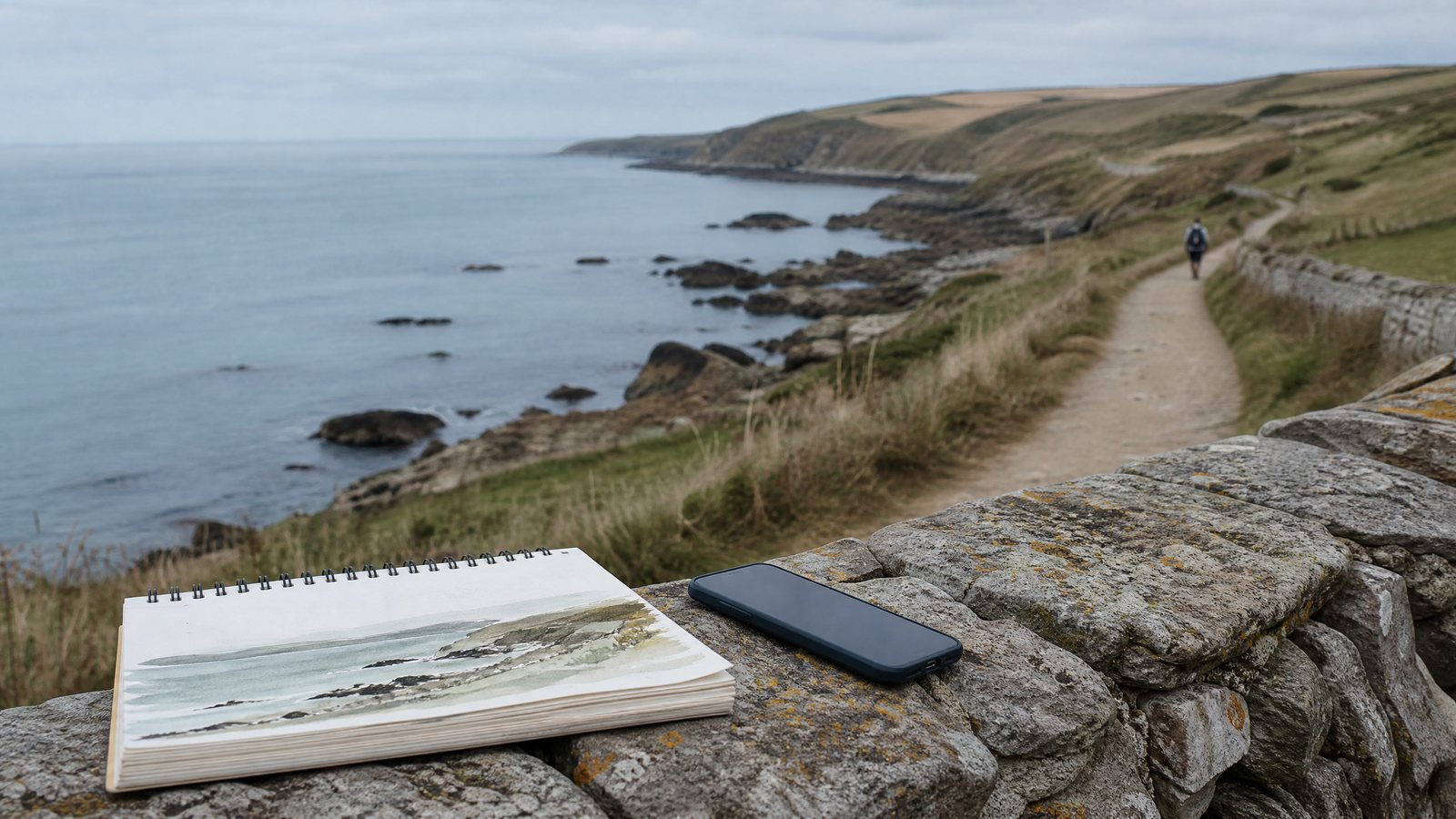
A practical digital-detox travel system that keeps navigation, live safety information and trusted contact available while making more room for streets, meals, conversations and rest.
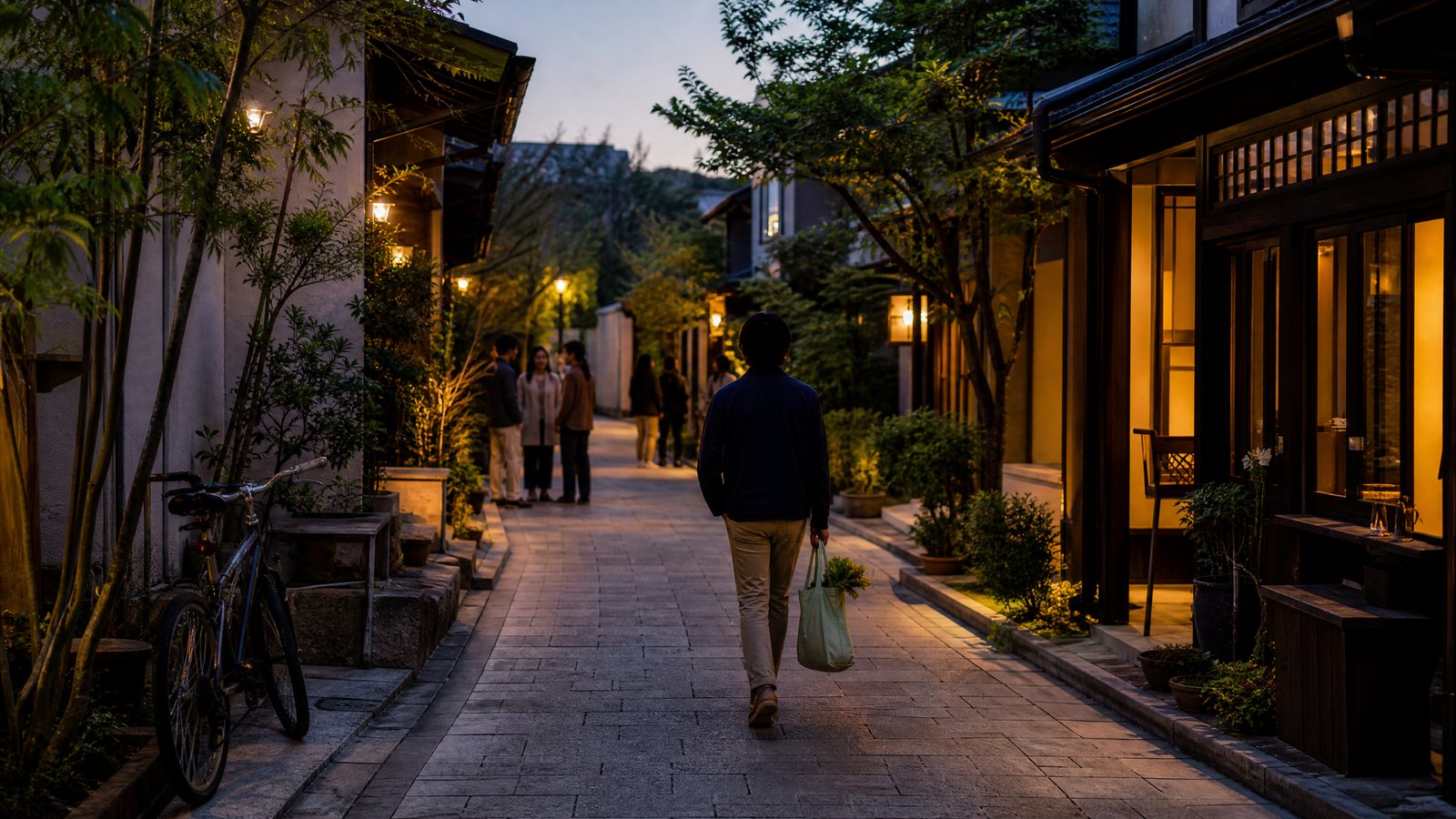
Longer stays become more respectful when visitors act as temporary neighbours rather than temporary customers. This guide turns that principle into choices about shared space, waste, images, language, money, timing and current local rules.
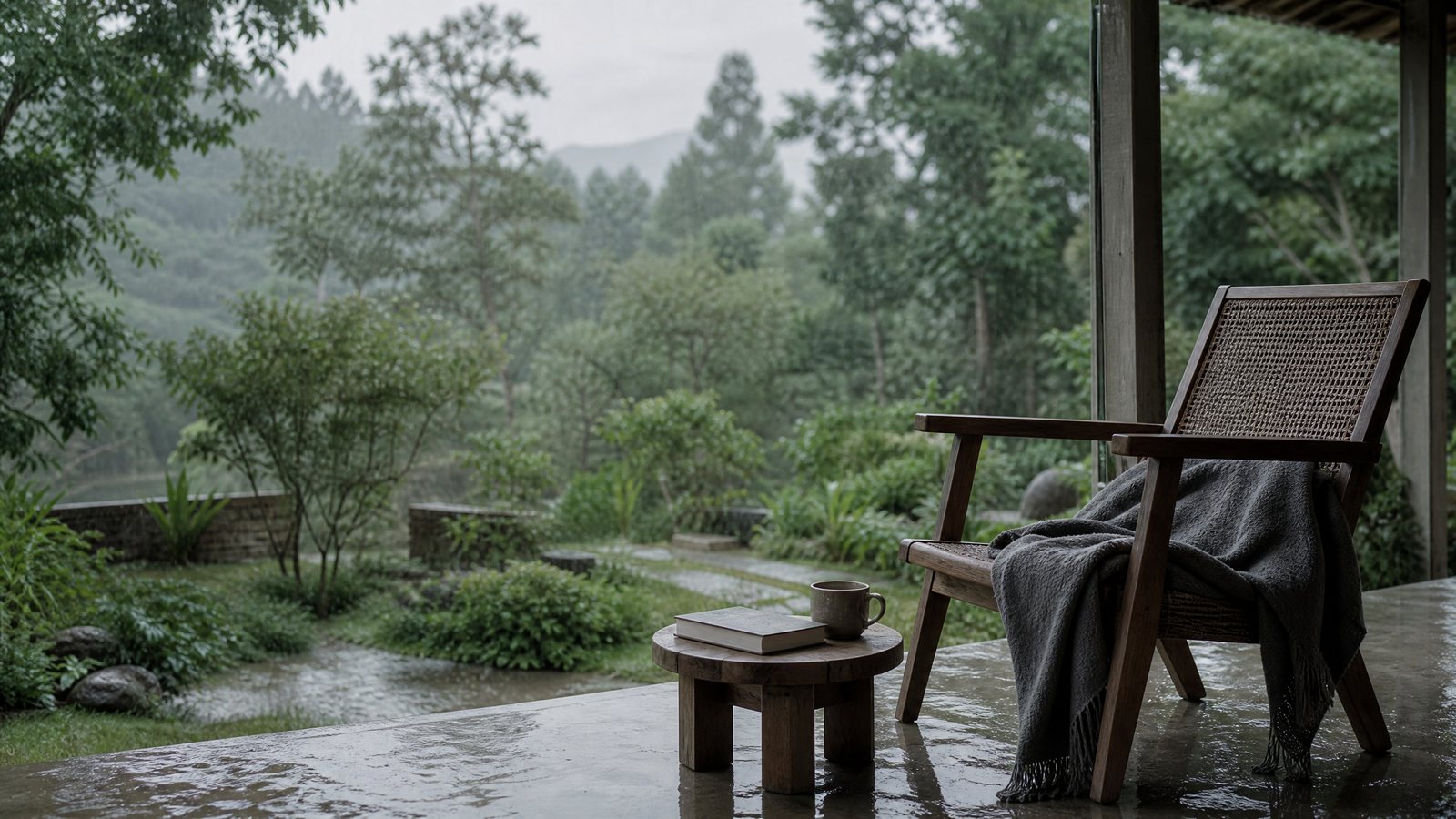
Rest days are planned recovery and resilience time, not empty itinerary space. Learn how to place them, choose a low-demand anchor and preserve options when conditions change.
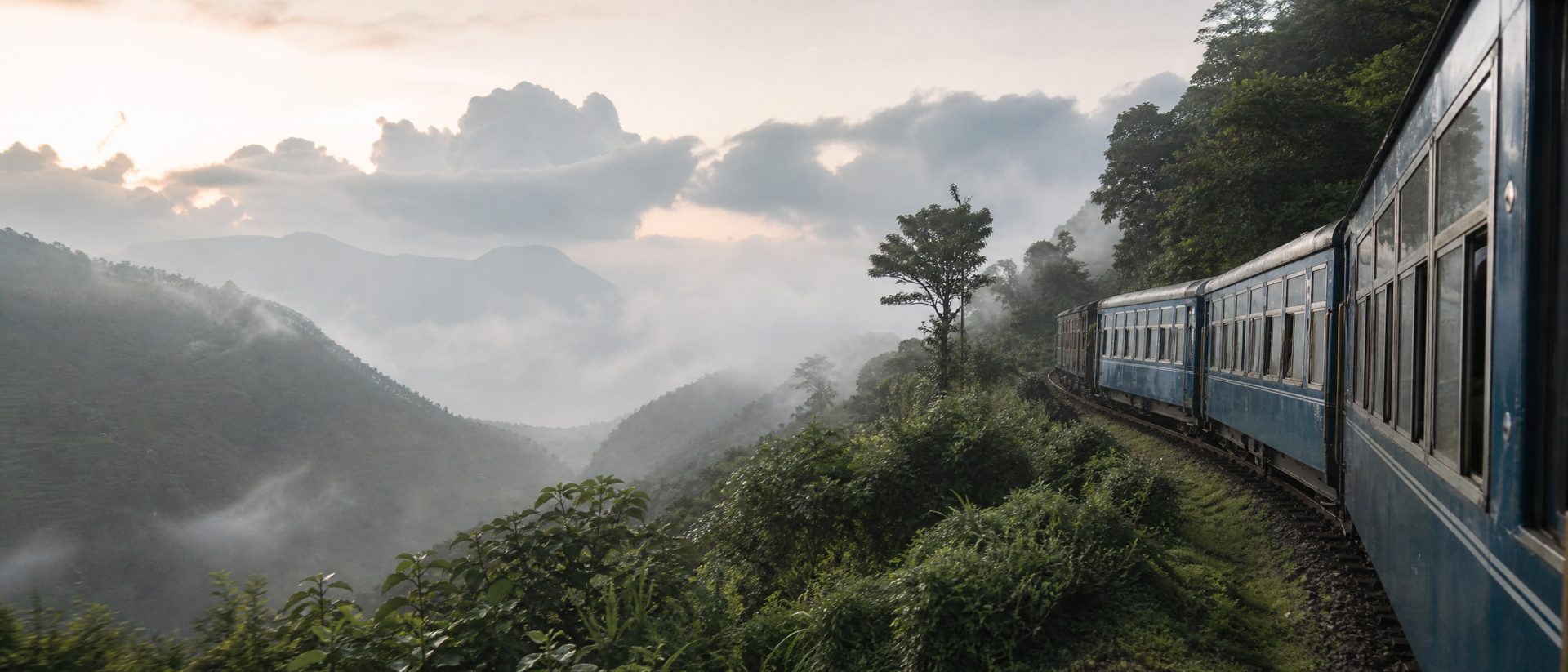
How to plan a slower hill-rail journey with realistic timing, lighter luggage and room for weather.
A practical sequence
Write one sentence about what the trip should make possible. Use that sentence to reject stops that are attractive but unrelated.
Select a base that supports daily needs and a limited number of meaningful excursions. Map effort, not only distance.
Include packing, checkout, station or airport access, waiting, arrival, food and the concentration needed to navigate a new place.
Protect a light arrival, one low-demand interval and a final buffer before adding optional activities.
Check whether timing, photography, noise, dress and waste choices respect the people who use the place every day.
Reader questions
There is no qualifying number of days. A three-night stay in one walkable district can be slower and more attentive than a fortnight divided across seven stops.
Not automatically. Moving less can reduce transfer costs and make simple routines easier, but longer stays still need a realistic daily budget and contingency margin.
No. Rail can add landscape, working time and city-centre access, while a flight may be more practical on some routes. Compare the full journey rather than applying a universal rule.
Yes. Keep the geography compact, protect the arrival, choose one or two priorities and avoid treating every open hour as capacity that must be filled.
Start with access, rest, toilets, seating, medication, food and dependable return options. The right pace is the one that protects the traveller with the least flexible needs.