Slow Travel
The Rest Day Is Part of the Journey: How to Design One Well
A deliberate rest day reduces accumulated travel load, protects judgement and leaves usable room for weather, transport and access conditions to change the plan.
Expanded evergreen planning guide
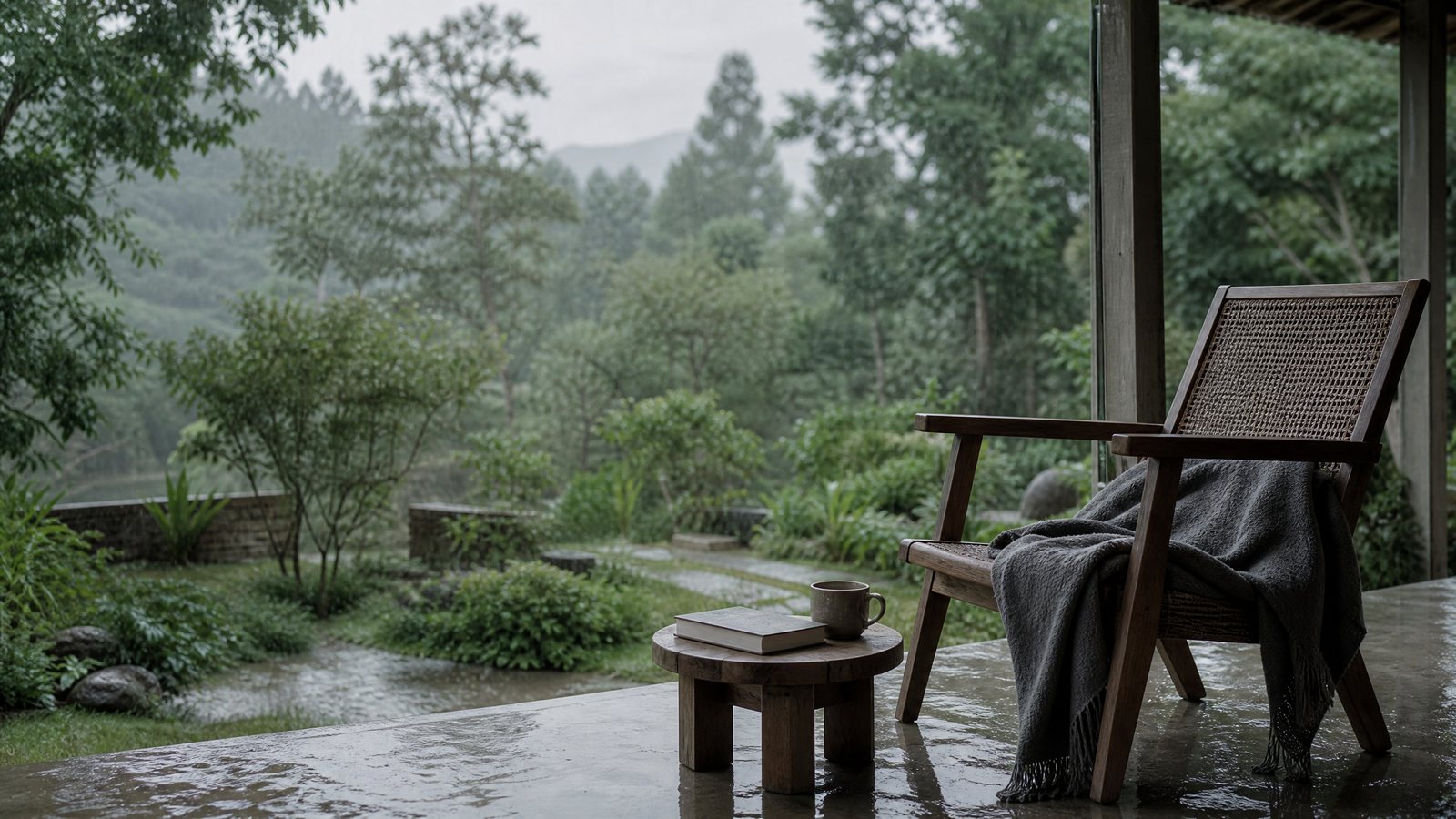
A rest day is a planned reduction in required decisions, distance, time pressure and stimulation. It is not a blank square left over when an itinerary runs out of ideas. Used well, it restores capacity to notice a place, manage ordinary tasks without hurry and change course when the original plan no longer fits conditions.
It matters after time-zone travel, an overnight transfer, repeated accommodation changes, a demanding walk, difficult weather, unfamiliar navigation or several early starts. None automatically requires a day indoors. Each does make it unwise to assume that another ambitious day is neutral because it fits on a calendar.
The purpose is to create margin: physical margin after bags or distance; cognitive margin for attention and decisions; and calendar margin for a delay, closure or altered forecast. This is central to the principles of slow travel: a journey becomes more inhabitable when every available hour is not committed to an outcome.
Treat rest as itinerary infrastructure
An itinerary contains more than activities. It also contains moving, waiting, navigation, meals, laundry, communication, finding a toilet, charging a device and recovering after broken sleep. Each task looks small alone; together, they explain why a modest-looking day can feel overfull.
A rest day protects the trip in the way a sensible connection protects a longer journey. It is infrastructure, not a reward for exhaustion. It succeeds when the next day feels workable without repairing the previous one. Planned recovery also differs from last-minute cancellation: it lowers pressure in advance while preserving the option of something gentle if energy and conditions allow.
It can improve how a traveller reads a destination. A short familiar loop, an unrushed meal or time to understand local rhythms can reveal more than a chain of hurried stops. For a wider approach to pacing, see the slow-travel beginner’s guide.
Schedule by accumulated load, not by guilt
The right moment depends on accumulated load, the combined physical, cognitive and logistical effort already spent. It rises through obvious exertion and small demands alike. A journey with several rail changes can drain more attention than a longer direct ride; a quiet museum can still be demanding after poor sleep and unfamiliar navigation.
Ask: What will this day require before its main activity begins? Count the alarm, packing, checkout, luggage, transport connection, route-finding, food, weather exposure and return journey. When that list is substantial, make the principal activity modest or movable. This is more revealing than counting kilometres or attractions.
| Travel condition | What adds load | Rest-day response | Who may need more protection |
|---|---|---|---|
| Arrival across time zones | Disrupted sleep and altered local-time cues | Keep the first substantial commitment light and close to the overnight base | Travellers with an early essential task, poor sleep, children, older adults or a health condition affected by sleep disruption |
| Several transfer or lodging days | Packing, carrying, uncertainty and repeated orientation | Put an uncommitted block after the move rather than filling the evening | People travelling with mobility equipment, bulky luggage or limited tolerance for standing |
| Consecutive outdoor days | Heat, cold, rain, elevation, walking and decision fatigue | Make the next day geographically small with indoor and outdoor versions | Anyone new to the climate, travelling with children, or managing a condition affected by heat or exertion |
| Self-drive or remote travel | Sustained vigilance and fewer easy alternatives | Protect the period before the drive; do not turn it into a late night or demanding excursion | Inexperienced local-road drivers, solo drivers and travellers affected by sleep loss |
The table is a prompt, not a scoring system. A confident walker may need little recovery after one day but substantial space after a broken night. A short break may need a protected afternoon rather than a full day; a longer journey may need a complete open day after a demanding sequence. A one-city, seven-day itinerary is often easier to pace because a stable base removes hidden work.
Use the Load–Consequence–Flexibility framework
Assess a proposed day through load, consequence and flexibility. Load asks how depleted or overstimulated the traveller is likely to be. Consequence asks what could go wrong if attention, balance, judgement or patience is reduced. Flexibility asks how readily an activity can be shortened, postponed or replaced.
Step 1: assess load honestly
Rate load low, medium or high from sleep quality, time-zone shift, transfer complexity, walking, weather exposure, caregiving, pain, sensory demand and decision burden. High load does not mean incapacity. It means the plan should not depend on sustained alertness, precise timing or a long recovery afterward. Excitement can coexist with fatigue, especially on arrival.
Step 2: lower consequence before reducing flexibility
When load is high, first reduce consequence: replace a difficult route with a familiar neighbourhood, move a long drive or avoid the sole window for a remote activity. Then increase flexibility with a loose start, a nearby fallback and an easy return. An ambitious plan is not truly flexible if it begins with a long exposed transfer or a difficult way back.
Step 3: decide whether the day is recovery, resilience or both
A recovery day responds to present depletion by reducing demand. A resilience day keeps room for a weather-, transport- or access-sensitive activity later. Many good rest days do both. After a late arrival before days of walking, for example, choose one local meal, a short optional route and an early return; the open time can then absorb a changed plan.
Place recovery before the day that needs you most
Rest is most valuable before an activity that needs steady attention: a self-drive leg, variable-terrain walk, complex connection, crowded day with children or transfer whose failure affects later plans. Putting recovery only afterward misses its preventive value.
Jet lag is temporary desynchronisation between the internal body clock and local time after rapid time-zone travel. It can involve disturbed sleep, daytime sleepiness and reduced daytime function. Direction, number of time zones and individual circumstances affect adjustment, so a traveller can plan a light first day but cannot predict precisely how they will feel at a given hour.
After a substantial crossing, treat the first local days as an observation period. Place the most consequential activity after an opportunity to sleep locally and assess alertness. Families need not rest identically: a child may need movement while an adult needs quiet. Choose a small base with parallel options, not a long day whose sole relief is an early exit. See slow travel with children for more on this shared rhythm.
Build a weather and transport buffer
Reserve an open half-day or day before leaving a region when the priority activity depends on visibility, water conditions, a mountain route, a road, local service or outdoor heat. A buffer creates a second opportunity if the first changes. It also makes an official warning, closure or delay easier to accept without replacing it with a less suitable plan.
Not every journey needs spare days. A city with many nearby indoor choices may need only an unscheduled afternoon. A trip built around a weather-dependent route may warrant a full open day before final departure. The trade-off is seeing fewer preselected things in return for protecting the things that matter from one narrow forecast window.
A forecast is an estimate, not an operating decision. Keep durable planning knowledge separate from live facts. Confirm local warnings, route status, operating notices and safety instructions through the relevant official or local channel close to the activity and again on the day. Heat also changes what constitutes a gentle plan, particularly for children, older adults and people with limited mobility or relevant health conditions. Seasonal travel guidance and heat-aware summer planning can help shape that wider rhythm.
Choose one low-demand anchor, not an agenda
A rest day needs one anchor: a modest activity that gives shape without making the day brittle. Give it a loose start window, an easy return and a nearby fallback. Possibilities include a short walk with a turn-back point, a public garden if conditions suit, one small cultural visit, a market for a meal, a quiet indoor public space where access permits, next-transfer preparation, or a long meal near the overnight base.
The anchor is not a test of authenticity. An activity requiring elaborate research, a cross-city transfer or a tightly timed sequence can recreate the load the day was meant to reduce. Before adding anything else, apply four filters:
- Abandonability: Can you stop without making the day feel spoiled?
- Reachability: Can you return without a complicated transfer or long unfamiliar walk?
- Shortenability: Can time spent fall if energy, weather or comfort changes?
- Reciprocity: Can you do it without treating residential, religious or working space as a visitor amenity?
An anchor that passes these filters is usually compatible with recovery. Walkable-neighbourhood planning is useful because the shortest, clearest route back can matter more than a list of nearby sights.
Give the senses less to process
Sensory rest means reducing the intensity or unpredictability of input. Travel can compress crowds, traffic, unfamiliar language, bright light, queues, navigation, weather and continual social negotiation into a short time. A lower-input day may favour a quiet room, shaded seat, calm street at a less busy time, reading, writing, laundry, a familiar meal or an offline map. The goal is not silence; it is less constant vigilance.
Research on attention restoration provides a qualified reason to consider a park, waterside path or garden. Directed attention is the effort of concentrating while filtering distractions. A systematic review found some support for natural settings helping aspects of attention, but mixed findings and important limitations. Nature is an option, not a treatment or promised result. An indoor pause can be better when heat, allergens, mobility barriers, crowding or weather make outdoor time harder.
Make accessibility part of the baseline plan
Recovery may need to be daily rather than occasional for someone with limited stamina, chronic pain, sensory sensitivity, a disability, pregnancy, temporary injury, a young child or caregiving responsibilities. That is sound planning, not a lesser version of travel. Confirm current features that matter: step-free routes, seating, toilets, distance from transit, quiet periods, mobility-aid policies, shade, lift operation or companion arrangements. Do not infer them from photographs or broad labels. If confirmation is incomplete, stay closer to the base and use a fallback that does not depend on the uncertain feature.
Let fatigue set the safety threshold
Sleep loss can affect focus, reaction time, problem-solving, decisions and coping with change. On a trip, this appears while reading a platform alteration, crossing a busy street, judging worsening weather or finding the way back after dark. A rest day lowers the consequence of these routine decisions.
Ask not “Can I push through?” but “What would this choice look like if I were rested?” If you would not start the route, add the detour or make the commitment when rested, change the plan. Rest is not medical care; persistent, severe or concerning symptoms warrant appropriate local medical advice.
Driving is a separate threshold
Do not start a long drive merely to preserve the timetable after poor sleep, late arrival or fading alertness. Caffeine, fresh air, music and determination do not replace sleep, and a short pause is not proof of fitness for a demanding drive. Replan, delay or use an alternative consistent with local conditions and personal circumstances. In rain, wind, reduced visibility or flooding, fatigue reduces the margin further. Follow current official instructions and do not enter floodwater.
Protect the day with boundaries and respectful conduct
Give a rest day a location, purpose and boundary. Choose a location near the overnight base. The purpose might be recovery after arrival, a weather contingency, preparation for a drive, a child’s routine or a quieter environment. The boundary states what is excluded: no intercity move, dawn alarm, remote route, rigid timing or late night.
Make only the decisions that reduce morning effort: identify simple food, save an offline map, prepare comfortable layers and choose indoor and outdoor versions of the anchor. Do not assign both versions to the same day. A quiet neighbourhood is not a private lounge, and a religious site is not a backdrop. Observe local access, dress, photography, queue and conduct rules; do not block entrances or working paths. Community-respect guidance is a useful companion: slower travel should make consideration easier, not optional.
Compact rest-day checklist
- State the day’s purpose: recovery, resilience or both.
- Count preceding sleep, transfer, walking, weather and decision load.
- Keep one low-demand anchor within an easy return of the overnight base.
- Prepare nearby indoor and outdoor versions without assigning both to the day.
- Protect a boundary before a high-consequence activity, especially a drive or remote route.
- Confirm live weather, route, service and access information through the relevant official or local channel.
- Retain the right to stop early without calling the day a failure.
- Use the slower pace to follow local rules and reduce pressure on shared spaces.
What requires current confirmation
The principles here are durable: do not stack high load with high consequence, give weather-sensitive plans a buffer, and keep return routes simple when energy is uncertain. Conditions are not durable. They change by date, location, operating decision and individual need.
Before turning a rest day into an activity day, confirm local warning level; heat, smoke, rain, wind and visibility; road, trail and water-route status; public-transport operation; hours and entry arrangements; and relevant access details. Recheck on the day when an activity is exposed, remote or difficult to reverse. If information conflicts, is unavailable or points to a higher-demand day, use the rest day for its original purpose. How far ahead weather is useful explains the limits of forecasts at different lead times.
Conclusion: leave room for the journey to change
The best rest day is not an absence of travel. It is deliberate design that restores capacity, lowers the consequence of tired decisions and lets weather, transport and access realities change the plan without undoing the trip. Place it according to accumulated load, give it one flexible anchor, protect its boundaries and treat current local information as decisive.
When a day has fewer demands, a traveller can move more carefully, notice more and be more considerate of the place hosting them. That is not time taken from a journey; it is the margin that keeps the journey possible.