North India · State · UP
Uttar Pradesh
Uttar Pradesh is a vast North Indian state where the Ganga–Yamuna plain holds some of the subcontinent’s most consequential religious, artistic and political landscapes. Its travel geography is not one experience: westward, Agra and Fatehpur Sikri concentrate Mughal imperial architecture; Braj connects Mathura and Vrindavan through Krishna devotion; Lucknow frames Awadhi urban culture; and the east gathers the riverfront intensity of Varanasi, the Buddhist pilgrimage landscape of Sarnath, Ayodhya and Prayagraj. North along the Nepal border, the Terai opens into sal forest, grassland and wetlands, while the south shifts toward the stonier Bundelkhand uplands around Jhansi. This scale rewards selective itineraries rather than a rushed circuit. Winter is the clearest broad travel window, yet fog can disrupt movement, major ritual dates reshape city access, and summer heat changes what is comfortable outdoors. Choose one or two regional clusters, allow room for river, rail and crowd variability, and approach active places of worship and wildlife habitats with patience.
Regional notebook
Begin with the shape of the region.
Uttar Pradesh is best approached as regional clusters linked by rail and road, not one compact destination. The western Yamuna belt concentrates Agra and Fatehpur Sikri, while Mathura–Vrindavan adds a Braj pilgrimage culture. Central Lucknow offers Awadhi urban heritage and handwork. In the east, Varanasi, Sarnath, Ayodhya and Prayagraj form a powerful sacred corridor; the far north shifts to Terai forest and wetlands, and southern Jhansi to Bundelkhand. A first visit should pair one heritage or river cluster with a contrasting landscape rather than race across the state. Ritual, craft, farming and conservation shape what visitors encounter.
Landscape
Geography changes the journey.
Most of Uttar Pradesh lies in the fertile Indo-Gangetic plain, between Himalayan foothill influences and the Nepal border in the north and Vindhyan–Bundelkhand uplands in the south. The Ganga, Yamuna, Gomti, Ghaghara and Ramganga organize settlement, farming and pilgrimage. Flatness conceals real contrasts: fog-prone floodplains, Chambal ravines, moist Terai forest and hotter, rockier southern districts. Rivers are active environmental systems, so monsoon rain, erosion, water level and local safety controls can alter access. There is no coast, island or high-altitude tourism; heat, fog, rain and long overland distances are more consequential travel constraints.
Living culture
Arrive as a guest, not an audience.
The cultural map is layered, not uniform. Varanasi unites Hindu, Jain, musical, literary and craft traditions; nearby Sarnath is Buddhist pilgrimage terrain. Ayodhya and Braj are active devotional worlds where festivals and daily worship shape visits. Agra and Fatehpur Sikri express Mughal courtly planning; Lucknow adds Awadhi architecture, etiquette and chikankari; Jhansi recalls Rani Lakshmibai and 1857. Hindi and Urdu anchor official and urban communication, while Awadhi, Braj, Bhojpuri and Bundeli express regional identity. Treat shrines, ghats and ritual spaces as living community places: dress modestly where expected, ask before photographing, and never stage sacred acts.
Curated regional atlas
Places that reveal different parts of Uttar Pradesh
This is a selective, geographically varied starting point rather than an exhaustive list. Use it to choose a coherent route, not to compress every place into one trip.
World Heritage mausoleum and garden · Agra, Agra district
Taj Mahal
On Agra’s Yamuna bank, the Taj Mahal is a white-marble Mughal mausoleum within a garden. Shah Jahan commissioned it in memory of Mumtaz Mahal; principal construction ran from the early 1630s to 1648. Tomb, mosque, guest house, gateway, water channels and garden axis form one composed setting. Marble inlay, jali screens, calligraphy and shifting light reward close looking. Its conservation profile means a visit involves security screening, managed circulation and protected surroundings rather than the freedom of an ordinary garden.
Why this place matters
This is Uttar Pradesh’s most concentrated lesson in Mughal design: geometry, garden planning, river setting and craftsmanship work as one. Go to look beyond the familiar silhouette, especially at the material contrast between the marble tomb and red-sandstone companion buildings. Pair it with Agra Fort to compare a commemorative garden-tomb with an imperial residence. The trade-off is popularity. Queues, screening, haze and conservation controls can limit spontaneity, but they also reflect the care required by a monument under extraordinary visitation pressure.
World Heritage historic city · Fatehpur Sikri, Agra district
Fatehpur Sikri
Fatehpur Sikri is the red-sandstone Mughal city developed by Akbar when his court resided at Sikri from 1572 to 1585, in association with Sufi saint Sheikh Salim Chishti. On a ridge beside a natural lake, it contains palaces, public halls, courtyards, a congregational mosque, the saint’s tomb, Buland Darwaza and an ingenious water plan. Archaeology also shows older occupation. Its power comes from urban sequence: terraces, thresholds, colonnades and pavilions make court, faith and administration readable as a whole city.
Why this place matters
Fatehpur Sikri gives a different Mughal experience from Agra’s polished marble. Its warm sandstone, open courts and hybrid architectural language reward travelers interested in planning, craft and the encounter between courtly and devotional spaces. Older archaeology and an active sacred precinct make the imperial story more complex. Walk slowly enough to distinguish the palace complexes from the mosque area. The trade-off is exposure: this ridge can be extremely hot, with little shelter during the brightest part of the day. The site also demands attention to its Sufi associations, so move quietly around the mosque precinct.
Capital city and living craft landscape · Lucknow district
Lucknow
Lucknow, Uttar Pradesh’s capital on the Gomti, is the city for understanding Awadh’s urban culture. Heritage is scattered across imambaras, gateways, palatial and colonial precincts, gardens, markets and craft neighborhoods, rather than contained in one compound. Its identity joins Awadhi hospitality, Urdu and Hindi literary traditions, foodways, music and chikankari hand embroidery. Bara Imambara, the Residency, Rumi Darwaza, riverfront spaces and craft work reveal different chapters. It remains a busy contemporary capital, with the traffic, security and pace that implies.
Why this place matters
Choose Lucknow for texture rather than a single headline monument. It rewards travelers who enjoy streetscapes, Nawabi and colonial legacies, and a fuller view of craft skill than a quick purchase permits. It is also a useful base before a Terai detour. A heritage walk can clarify the city’s spatial connections; a reputable craft encounter can foreground labor and design. The trade-off is urban friction: traffic, heat, uneven pavements and dispersed sites make a limited daily radius wiser than an exhaustive list.
Sacred river city and cultural landscape · Varanasi district
Varanasi
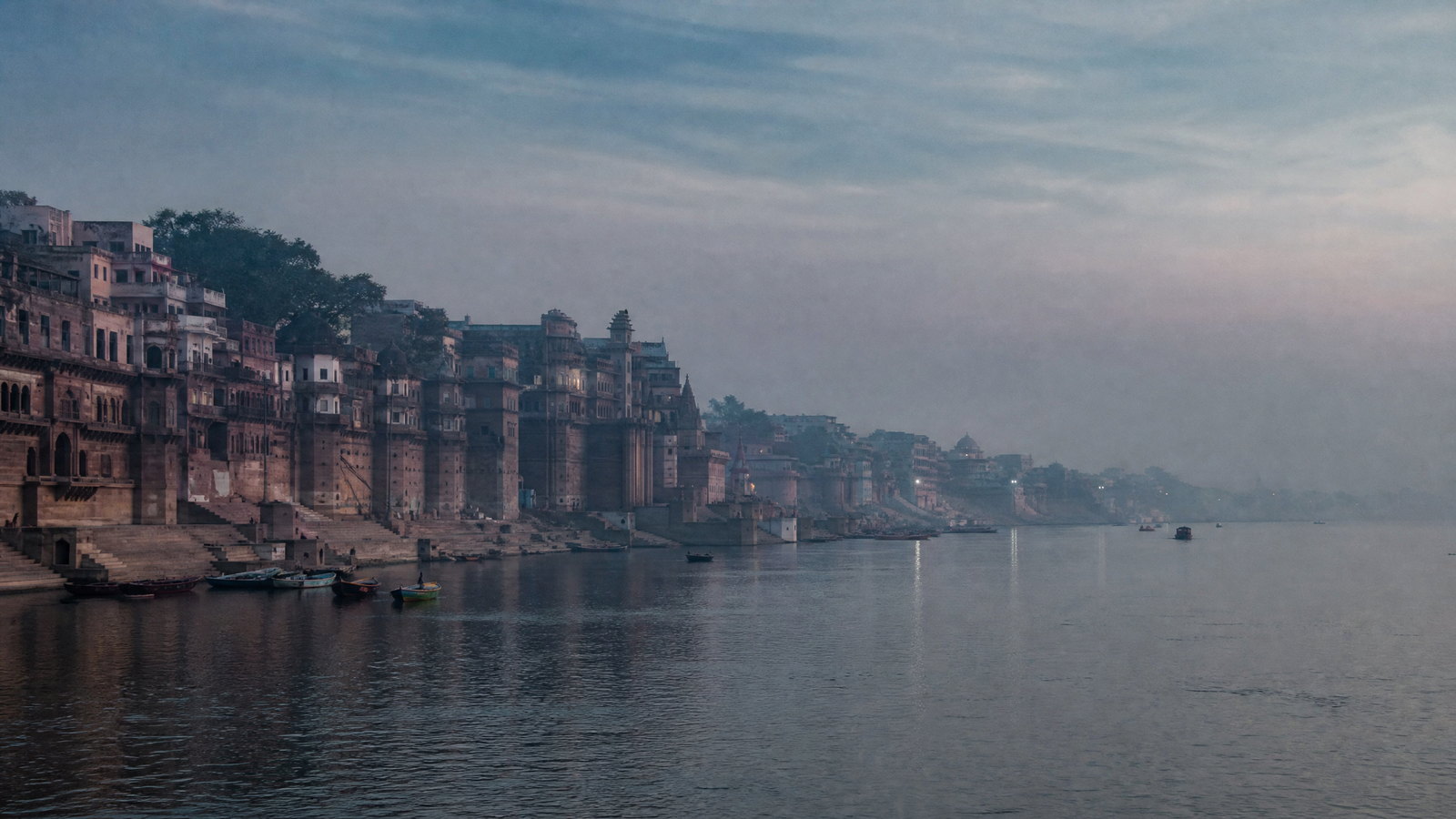
Varanasi, also Kashi or Banaras, occupies a crescent of ghats, lanes, shrines, learning institutions and craft quarters on the Ganga. Sacred to Hindus and important to Jains and Buddhists, it also sustains music, Hindi and Sanskrit learning, silk and brocade work, metalwork and ritual performance. The riverfront is a public stage, but daily bathing, prayer, work, cremation, boating and processions give it meaning beyond scenery. Nearby Sarnath creates a rare pairing of Hindu river-city life with a major Buddhist archaeological landscape.
Why this place matters
Go for lived cultural density, accepting that Varanasi resists a checklist. Dawn on the river, a slow lane walk and time to listen at a music or ritual setting can reveal more than rapid temple visits. It is a rich base for understanding how devotion, scholarship, crafts and commerce coexist. The trade-off is intensity: crowds, sound, smoke, steep steps and narrow lanes can be demanding. Seek quieter hours if needed and approach cremation areas with unwavering discretion. Its rewards depend on slowing down rather than forcing an itinerary through every landmark.
Buddhist pilgrimage and archaeological site · Near Varanasi, Varanasi district
Sarnath
Sarnath, near Varanasi, is the Buddhist pilgrimage and archaeological landscape associated with the Buddha’s first sermon after enlightenment. Its core includes Dhamek Stupa, monastic ruins, the Ashokan pillar tradition and a site museum holding major sculptures. International monasteries add a transnational devotional dimension. The site belongs to a wider eastern Uttar Pradesh conservation network, so it is best understood as both a sacred place and a protected record of long Buddhist patronage. Open ground and sculptural remnants invite attentive viewing.
Why this place matters
Sarnath provides a necessary counterpoint to Varanasi’s dense Hindu riverfront. It traces Buddhist pilgrimage, imperial patronage, archaeology and modern monastic life in a compact setting. The stupa and ruins gain meaning through museum interpretation and a quiet pace, not as isolated fragments. Combined with Varanasi, it makes historical and religious plurality tangible without a long transfer. The trade-off is timing: museum and archaeological access can follow separate schedules, so reserve enough daylight for both rather than arriving late. It is particularly valuable for travelers wanting a grounded introduction to Buddhist history in India.
Pilgrimage city and sacred riverfront · Ayodhya district
Ayodhya
Ayodhya is a major Hindu pilgrimage city on the Sarayu, with a sacred core. Its visitor landscape includes Sri Ram Janm Bhumi Mandir, Ram Ki Paidi, Hanuman Garhi, Kanak Bhawan, temples linked to several traditions and a Jain presence. Its significance rests on Ramayana tradition and active worship, not an isolated monument. New public works and high visitor numbers coexist with older lanes, shrines and river ritual. Pedestrian circulation, security, entry practice and access can change quickly, especially around religious observances.
Why this place matters
Choose Ayodhya to understand a contemporary pilgrimage landscape where belief, memory, architecture and public space are being actively reshaped. A rewarding visit is patient: make time for the Sarayu, observe devotional rhythms and recognize that temple visits are worship for many. It pairs naturally with Varanasi and Prayagraj. The trade-off is crowd density and security. Travelers seeking museum-style interpretation or solitude may find the core difficult, while those comfortable with active pilgrimage gain a powerful sense of place. Arrive with time to move at the pace set by local procedures rather than a fixed sightseeing schedule.
River confluence and pilgrimage landscape · Prayagraj, Prayagraj district
Prayagraj Sangam
Prayagraj Sangam is the confluence of the Ganga and Yamuna, joined in religious belief by the unseen Saraswati. Known as Tirtharaj, it is central to ritual bathing and the Kumbh cycle, when a temporary city occupy the floodplain. Outside major gatherings, it remains a working river landscape of ghats, boats, priests, pilgrims, banks and changing currents. The fort area supplies a frame, but the core experience is hydrological and devotional: river color, level, weather and ritual movement never stand still.
Why this place matters
Visit to see how a confluence becomes sacred geography and how pilgrimage can reshape public space at immense scale. It suits travelers interested in rivers, ritual and temporary urbanism. A normal-season visit is easier for slow observation; a Kumbh or Magh gathering offers extraordinary intensity but requires advance planning and acceptance of controls. The trade-off is exposure: banks can be hot, muddy after rain, cold in winter wind or affected by high water. Water conditions should guide every decision near the river.
Braj pilgrimage and cultural landscape · Mathura and Vrindavan, Mathura district
Mathura–Vrindavan
Mathura and Vrindavan form the heart of Braj Bhoomi, a Krishna-centered cultural landscape on the Yamuna. Mathura is revered as Krishna’s birthplace, while Vrindavan is associated with his childhood and devotional play; together they contain temples, ghats, ashrams, markets and a festival calendar. The wider region reaches toward Gokul, Barsana, Govardhan and Nandgaon. This is not one heritage zone but a network of sects, practices, poetry, music, performance and worship. River setting, ritual crowds and temple rhythms matter as much as shrines.
Why this place matters
Go for a lived devotional landscape in which mythology is expressed through place, performance and season. It rewards travelers interested in religious art, bhakti poetry, temple architecture and towns shaped by pilgrimage, and it pairs geographically well with Agra. The trade-off is sensory and logistical intensity. Festival dates can bring exceptional crowding and traffic limits, while summer heat in open courtyards is formidable. A focused itinerary of a few chosen sites is more respectful than trying to visit every shrine.
Terai tiger reserve and national park · Lakhimpur Kheri district, near the Nepal border
Dudhwa Tiger Reserve
Dudhwa Tiger Reserve lies in the northern Terai near Nepal, combining Dudhwa National Park with Kishanpur and Katarniaghat landscapes. Alluvial plains, sal forest, grassland, marshes, pools and rivers make this Uttar Pradesh unlike its famous cities. The reserve is associated with tiger, swamp deer, rhino, elephant and rich birdlife, but wildlife encounters are never assured. It reflects recovery from agricultural pressure. It is a regulated habitat first, where animal welfare, seasonal closure and forest management outweigh visitor schedules. Its scale encourages patience.
Why this place matters
Dudhwa is the state’s strongest counterweight to its temple-and-monument circuits. Go for Terai ecology: tall grass, wet ground, sal woodland, bird-rich water and possible large mammals within a Himalayan foothill plain. It suits travelers who value habitat and patience over a species list. The transfer is part of the commitment because the reserve lies far from the main heritage corridors. The trade-off is operational variability: rain, heat, closures and animal movement influence what is possible. Build time in and never expect a species guarantee.
Wildlife sanctuary and riverine Terai habitat · Bahraich district, near the Nepal border
Katarniaghat Wildlife Sanctuary
Katarniaghat Wildlife Sanctuary occupies the eastern Terai in Bahraich, extending from Motipur forest range toward the Gerua River. It is part of Dudhwa Tiger Reserve and was established in 1976 with gharial protection. Forest, river, wetland and soft alluvial terrain make it important for riverine conservation alongside birds and wildlife. Sharing a border with Nepal reinforces its ecological importance and the need for formal access boundaries. Observation is shaped by habitat, weather, season and forest controls, not fixed visitor expectations.
Why this place matters
Choose Katarniaghat for a river-and-forest complement to Dudhwa’s grassland story. It is meaningful for travelers interested in gharial conservation, waterbirds and ecological links among Terai protected areas. Bird life and the river setting reward unhurried field observation rather than quick sightseeing. Combine it only with adequate transfer time. The trade-off is remoteness and uncertainty: facilities, routes, vehicle access and animal movement can shift with weather or management needs. Prioritize low-impact viewing and accept that the habitat, not the visitor, determines the day.
Tri-state river sanctuary · Agra and Etawah districts, along the Chambal River
National Chambal Sanctuary
National Chambal Sanctuary protects a river corridor and ravines across Uttar Pradesh, Rajasthan and Madhya Pradesh. In Uttar Pradesh it includes sections in Agra and Etawah districts; the whole sanctuary follows 400 kilometres of Chambal toward the Yamuna confluence. Its defining species are gharial and freshwater dolphin, with smooth-coated otter, turtles, fish and river birds. Sandy banks and ravines are habitat. It shows why wildlife protection must encompass a moving channel and its edges, not only a single reserve gate.
Why this place matters
Go to see a major North Indian river as wildlife habitat rather than only as a sacred or urban waterfront. The sanctuary contrasts strongly with Agra’s monuments and suits travelers interested in gharial, dolphins, birds and ravine landscapes. An authorized river outing can reveal the relationship between flow, sandy banks and endangered species. The trade-off is uncertainty: sightings, water levels, weather, permissions and conservation rules can change operations. Do not expect close animal encounters or treat the river as an unsupervised recreation area.
Historic city and Bundelkhand gateway · Jhansi district
Jhansi
Jhansi is Uttar Pradesh’s main gateway to the Bundelkhand edge and a key place for the 1857 uprising. It is closely associated with Rani Lakshmibai, who lived in Rani Mahal from 1853 to 1857. The palace’s painted Durbar Hall gives an architectural setting for that history, while the fort and old city widen the picture. Jhansi differs from the Gangetic plain: Bundeli culture, fort history and a more rugged southern geography shape its identity. It is also a rail junction.
Why this place matters
Choose Jhansi for a history of resistance and a regional landscape absent from Agra or the sacred river cities. Rani Mahal ties a nationally remembered figure to an intimate urban residence and a specific political crisis. It can deepen a route toward Bundelkhand rather than become a token rail stop. The trade-off is climate: exposed palace and fort visits can be hard in late spring and summer. Give the city enough time for historical context, not merely a quick photograph.
Wetland bird sanctuary · Hardoi district
Sandi Bird Sanctuary
Sandi Bird Sanctuary is a protected wetland in Hardoi around Deher Jheel and the Garra River. Declared a sanctuary in 1991, it aims to conserve wetland habitat, aquatic life and local and migratory birds. It is recognized as an Important Bird Area. Its value is quieter and more seasonal than the state’s monumental places: water, reeds, sky and bird movement show why a wetland supports flyway ecology. It works as a nature counterpoint from Lucknow or on a circuit. Its quiet scale rewards patience.
Why this place matters
Sandi is for travelers who want wetlands to matter within a heritage-led Uttar Pradesh trip. It offers a concise lesson in why lakes and river-linked marshes support migratory birds, aquatic plants and community landscapes. Birding asks for patience, stillness and realistic expectations, especially outside peak movement periods. The trade-off is seasonal variability: bird abundance, paths, water level and viewing change with rain and management. It suits visitors who value habitat observation over dramatic wildlife spectacle and can adapt timing to local conditions.
Season and pace
Choose a date window for the experience, then keep a fallback.
October–March is the broadest comfortable window. October and November can still be warm; December and January are cool and good for birding but bring potentially dense fog. February and early March are pleasant, though festival dates can create intense crowding. March–June heat and dry winds make stone precincts and river walks demanding; official state guidance notes temperatures can enter mid-40s Celsius. June–September monsoon lowers heat but adds rain, slippery surfaces, waterlogging and variable wildlife access. Calendar ranges are not promises: check short-term weather, heat alerts, water conditions and site notices before travel.
Movement and planning
Distance on a map is not the same as usable travel time.
Moving through the region
Rail links the principal urban clusters around Agra, Lucknow, Varanasi, Prayagraj, Mathura and Jhansi; air travel can shorten longer jumps. In historic cores, walking and short local rides often work better than vehicles because lanes can be narrow, crowded or temporarily restricted. Allow time for congestion, security queues and festival diversions. Dudhwa, Katarniaghat, Sandi and Chambal require deliberate ground transfers. Step-free access is uneven: old paving, steep steps, embankments, ramps and crowd barriers can limit wheelchair use. Confirm current accessible entrances, assistance and transport options through the relevant local or official channel.
Building a workable route
Plan by geography. Link Agra, Fatehpur Sikri and Braj in the west; pair Lucknow with the Terai in the north; or connect Varanasi, Sarnath, Ayodhya and Prayagraj in the east. Add Jhansi deliberately for Bundelkhand history. Begin outdoor monuments early, pause during hot afternoons and leave a buffer before flights or long trains in fog season. Sacred cities can be packed at dawn, dusk and festivals; nature sites follow conservation and weather conditions. Carry water, sun protection, monsoon rain layers and modest clothing. Confirm entry, photography, vehicle, wildlife-zone and identity requirements close to departure.
Travel responsibly
The regional context includes its limits.
Uttar Pradesh’s signature places are homes, working riverfronts and sensitive habitats, not open-air sets. Stay on designated routes and do not touch or mark protected surfaces. At temples, mosques and ghats, follow local cues, remove footwear where required, keep voices low and avoid intrusive photography. River quality and currents vary; follow safety advice. In reserves, remain with authorized staff where required, keep distance, avoid playback and flash, never feed animals, and do not purchase protected-species products. Carry out litter and minimize single-use plastic. Use licensed guides and authorized transport. In heat, fog, heavy rain or crowd-control periods, changing plans is responsible travel.
This is an evergreen regional guide. Weather, permits, closures, transport and local rules can change; confirm material conditions through the relevant local or official channel before travel.